Busan: Your Whirlwind Short-Trip Guide
Busan, a vibrant coastal city in South Korea, effortlessly combines urban energy with seaside charm. Known for its breathtaking beaches and dynamic markets, it’s a place where you can experience the soothing rhythm of ocean waves while savoring the buzz of city life. Busan’s unique appeal lies in its harmonious blend of tradition and modernity, offering something for the history buff, foodie, and adventure seeker alike.
A short trip to Busan is perfectly suited to those looking to experience a compact city with an inviting mix of activities. Navigable by foot and public transport, Busan provides a laid-back yet enriching experience. From exploring bustling streets to relaxing by the coast, Busan’s layout makes it easy to hop between attractions and enjoy a flexible itinerary. Whether you’re in town for just a couple of days or looking to escape the hustle of nearby cities, you’ll find Busan’s charm hard to resist.


Getting There
Reaching Busan is straightforward, whether you’re traveling from abroad or nearby South Korean cities. The primary gateway is Gimhae International Airport (PUS), which connects Busan to major world cities. Direct flights are available from various Asian hubs, making it a convenient entry point for international travelers.
If you’re coming from Seoul, the KTX (Korea Train Express) is your best bet. This high-speed train covers the distance between Seoul and Busan in roughly 2.5 hours, offering a quick and comfortable journey. An affordable alternative is the slower Mugunghwa train, which takes about 5.5 hours. Both options depart from Seoul Station, so you can choose based on your schedule and budget.
Best Time to Visit
Busan is delightful year-round, but the spring (April to June) and autumn (September to November) are often considered the best times for a visit. Spring ushers in pleasant temperatures and blooming cherry blossoms that add a refreshing magic to the city’s atmosphere. Autumn, on the other hand, offers crisp air and vibrant foliage, creating perfect conditions for exploring outdoors.
During these seasons, Busan’s allure is heightened with manageable crowds compared to summer’s peak tourist influx. Be sure to check out the Busan International Film Festival in October, one of Asia’s most prestigious cinematic events. These months not only promise comfortable weather but also provide a rich tapestry of cultural experiences unique to this vibrant city.
How Long Is Enough?
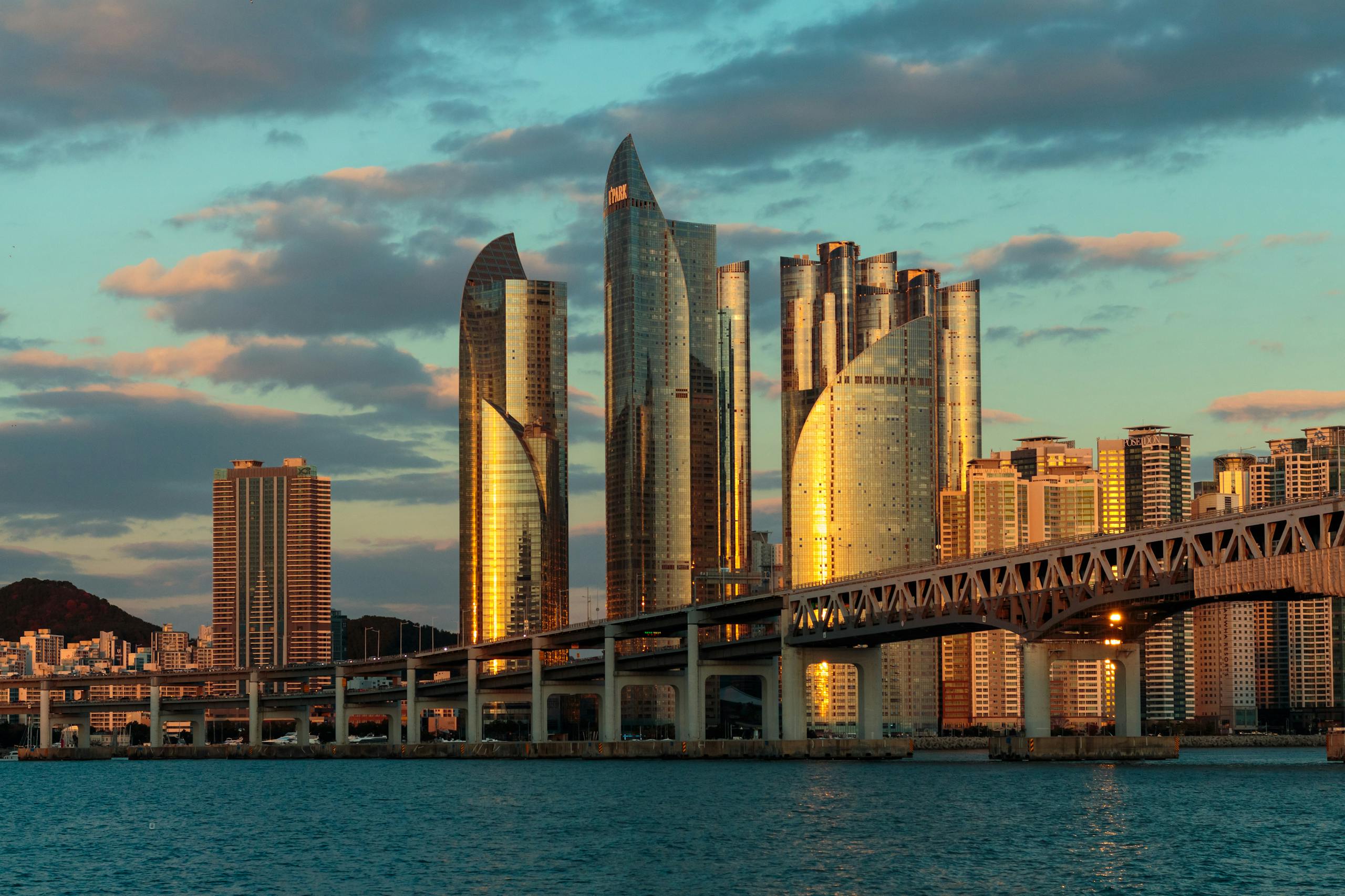
For those with just 24 hours in Busan, focusing on the city’s essentials allows a genuine taste of its charm. Visitors can stroll along Haeundae Beach, savor freshly caught seafood at Jagalchi Market, and end the day enjoying the vibrant night scenes at Gwangalli Beach, where the light show on Gwangan Bridge creates a magical spectacle. This whirlwind tour offers a glimpse into both the coastal allure and urban vibrancy that define Busan’s unique personality.
Spending 48 hours opens up opportunities to delve deeper into Busan’s cultural and historical tapestry. Besides the highlights of a day trip, you could explore the Gamcheon Culture Village, with its colorful houses and art installations offering a glimpse into the city’s artistic spirit. Two days provide a more relaxed pace, with time to savor local cuisines and coffee shops, soaking in the city’s mellow yet energetic vibe.
A longer stay of around three to four days lets you truly engage with what makes Busan special. This time frame allows for a balanced mix of exploration and relaxation, from hiking the trails of Geumjeongsan Mountain to discovering the temples like Beomeosa, where you can participate in temple stays—a truly immersive cultural experience. A multi-day visit means uncovering the subtler rhythms of the city, where each day presents new opportunities to connect with its heart.
Top Sights You Can’t Miss
Busan’s unique blend of natural beauty, rich culture, and modern attractions draws visitors from all corners of the globe. The city is a juxtaposition of tranquil beaches and bustling urban areas, making it a fascinating destination for travelers seeking a diverse and enriching experience. Many of Busan’s iconic sights are conveniently located, allowing you to explore multiple attractions within a day, steeping you in the city’s charismatic allure.
- Haeundae Beach: Known as South Korea’s most famous beach, it’s the perfect spot to unwind with scenic views and vibrant summertime festivities.
- Gamcheon Culture Village: Often called the ‘Machu Picchu of Busan,’ this colorful village offers artistic vibes and panoramic views as you wander through its maze-like streets.
- Jagalchi Fish Market: As Korea’s largest seafood market, it’s an unmissable experience for seafood lovers looking to sample fresh, local delicacies.
- Haedong Yonggungsa Temple: This stunning seaside temple provides a spiritual escape with breathtaking views, especially beautiful at sunrise.
- Busan Tower in Yongdusan Park: Offering 360-degree views of the city’s skyline, this landmark is perfect for capturing the essence of Busan’s stunning urban and natural landscapes.
- Gwangalli Beach & Gwangan Bridge: Known for its picturesque views and bustling nightlife, the light show on this bridge is a spectacular sight against the evening sea backdrop.
Got More Time?
If you find yourself with extra time in Busan, there are plenty of lesser-known gems and day trips to enrich your travel experience. North of the city, Geumjeongsan Mountain awaits hikers seeking a peaceful retreat. The trails here offer varied difficulty levels and reward adventurers with spectacular views of Busan and the East Sea, particularly from the summit.
For those interested in Korea’s history and culture, a visit to the Nampodong and Bosudong Book Street is a must. This area brims with vintage bookstores and unique coffee shops, where every corner is steeped in stories of the past. An afternoon wandering around these charming streets provides insight into Busan’s cultural evolution.
If you’re longing for a day excursion, consider a trip to Oedo Botania, a marine botanical garden located on a stunning island. Accessible via a picturesque ferry ride, the island is renowned for its manicured gardens and breathtaking ocean views. While slightly further afield, its unique blend of nature and art makes the visit worthwhile for oasis-seekers. These excursions ensure that extended stays in Busan are filled with discovery and diversity beyond the main sights.
Where to Stay
Choosing where to stay in Busan can greatly enhance your travel experience, as each neighborhood offers its own distinct character. Haeundae is a top choice for first-time visitors seeking the classic beach vacation. It’s well-known for its stunning coastline and vibrant nightlife, making it perfect for those who want to enjoy both relaxation and fun. Accommodation options range from luxury hotels to budget hostels, ensuring a place for every type of traveler.
If you’re looking for more cultural immersion, consider staying in Nampo-dong. This bustling area is famous for its street markets, theaters, and historic sites. It’s also home to the Busan International Film Festival Square—ideal for cinephiles. Staying here allows you to be in the heart of local life, surrounded by the city’s rich culture and culinary delights.
For a more laid-back atmosphere, the Seomyeon district provides a nice balance. Known as Busan’s commercial center, it’s packed with shopping centers, restaurants, and cafes. The area’s central location makes it perfect for exploring the city’s other districts, thanks to convenient metro connections. Whether you’re traveling for relaxation, culture, or business, Seomyeon offers a dynamic yet comfortable base to suit all your needs.
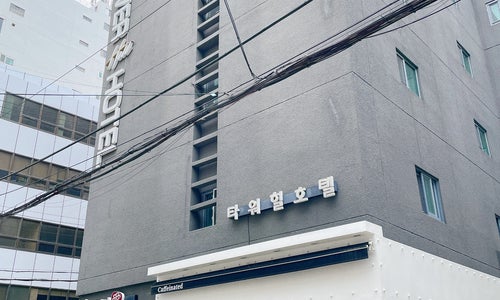
Tower Hill Hotel (타워힐호텔)
중구 백산길 20, 부산광역시, 부산광역시

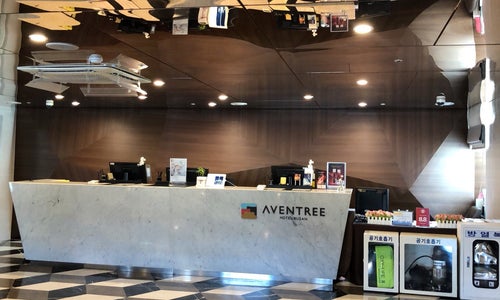
AVENTREE HOTEL BUSAN (아벤트리호텔 부산)
중구 광복로39번길 6, Jung - gu, 부산광역시, 48947


The BS Hotel
동구 중앙대로236번길 7-11, 부산광역시, 부산광역시, 48732
Getting Around
Busan’s comprehensive public transportation system makes navigating the city a breeze for short-stay visitors. Whether you’re heading to the beach, a cultural site, or exploring the city’s diverse neighborhoods, various transit options are available to suit your itinerary and budget.
- Subway: The Busan Metro is the most efficient way to traverse the city, with four main lines that connect major attractions and neighborhoods. You can purchase a single journey ticket or opt for a reloadable Hanaro Card for convenience.
- Buses: Local buses are a cost-effective method for reaching places not directly accessible by subway. They are extensive and cover nearly every corner of the city. It’s advisable to have a Hanaro Card as buses don’t accept cash.
- Taxis: Taxis provide flexibility and comfort, especially if you’re traveling with luggage or in a group. Fares are reasonable, and the availability of app-based services simplifies calling a cab in unfamiliar areas.
- Bicycles: For the eco-conscious traveler, rental bikes offer an enjoyable way to explore coastal paths and parks. Several bike rental stations are located throughout the city, making it easy to hop on and off.
What to Eat
Busan’s culinary scene is as dynamic as its landscapes, offering a delicious mix of traditional flavors and modern twists. The city’s coastal location means seafood is a standout, but there is much more to discover beyond its maritime specialties. Busan’s food scene is a vibrant journey through Korea’s diverse tastes with every dish telling its own story. Whether you’re wandering through bustling markets or dining at casual restaurants, the food in Busan is bound to be a highlight of your visit.
Here are some signature dishes you won’t want to miss while exploring the city:
- Hoe (Raw Fish): A must-try in Busan, fresh raw fish is served at Jagalchi Fish Market, where you can select your catch straight from the sea and have it prepared on the spot.
- Hotteok: These sweet pancakes, filled with brown sugar, peanuts, and cinnamon, are a popular street snack. They’re best enjoyed from the vendors in the BIFF Square area.
- Busan Eomuk (Fish Cake): Found ubiquitously around the city in street stalls and markets, Busan’s version of the Korean fish cake is renowned for its taste and quality. Many local shops serve it on skewers with dipping sauces.
- Dwaeji Gukbap: A comforting pork soup with rice that is especially popular in the Seomyeon area. Casual eateries serve this hearty dish, perfect for a quick and satisfying meal.
- Ssiat Hotteok: An innovative local twist on the original hotteok, it includes a crunchy seed filling. Try it at one of the city’s vibrant street markets for an authentic taste of Busan’s street food ingenuity.
- Makgeolli: This traditional Korean rice wine pairs well with several local dishes. Enjoy it at one of Busan’s traditional pubs for a uniquely Korean dining experience.
Busan: Unforgettable Echoes of the Sea
In just a few days, Busan intricately weaves its narrative into the soul of a traveler. From the soothing whispers of its beaches to the vibrant symphony of its cityscapes, this coastal metropolis leaves an indelible mark. Busan’s unique charm lies in its blend of the serene and the lively, the historic and the fresh. Visitors are often captivated by how effortlessly the city balances its modern aspirations with its traditional roots, creating a tapestry of experiences that feel both diverse and cohesive.
Most who venture to Busan carry home more than just photographs; they take with them the city’s enduring vitality and warmth. Busan is a city that embraces you with its vibrancy and bids farewell with a lasting impression of its cultural richness. A short trip here reveals far more than the sights suggest; it is an immersion into a way of life, where every street corner hums with history and every seafront breeze whispers of stories yet to be discovered. Busan stands as a testament to South Korea’s multifaceted nature, ensuring that visitors leave with memories etched in the colors and textures of this remarkable city.