Buenos Aires: Curated Essentials for a Quick Visit
Buenos Aires, the vibrant heartbeat of Argentina, effortlessly combines European charm with a Latin flair. The city’s streets are alive with a tango rhythm, an artistic spirit, and a love for life that’s palpable in every corner cafe. From its bustling barrios to leafy boulevards, Buenos Aires offers a unique tapestry of cultures, colors, and contrasts that captivate the senses.
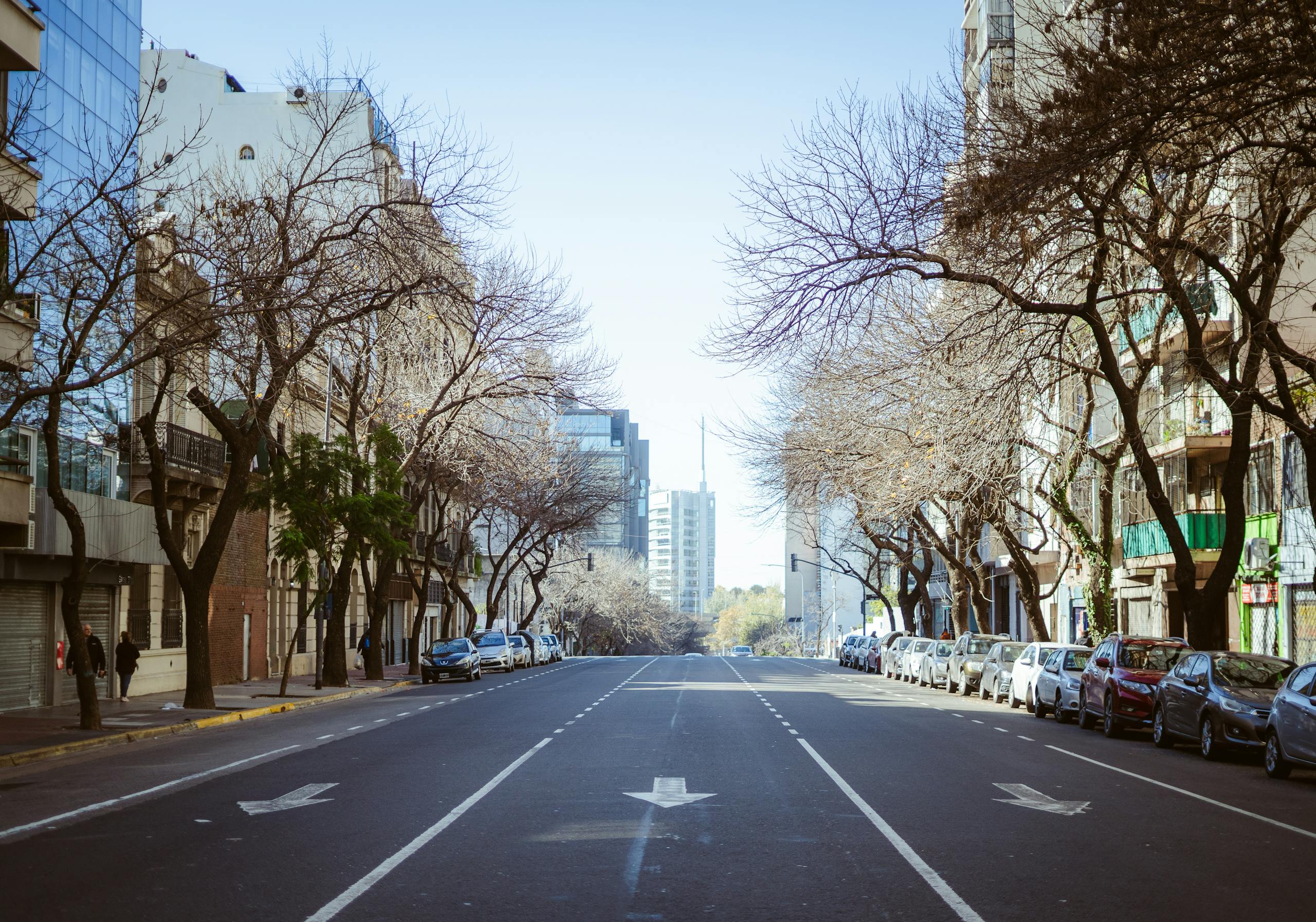
Tailored for a short visit, this guide simplifies your journey without skimping on experiences. Buenos Aires is wonderfully walkable and its neighborhoods are conveniently connected, making it easy to soak in the city’s dynamic energy. Expect a laid-back pace that lets you savor its delights, whether you’re wandering the historic streets of San Telmo, exploring the tree-lined avenues of Palermo, or enjoying a leisurely stroll along the Puerto Madero waterfront.


Getting There
Most international travelers will touch down at Ministro Pistarini International Airport (EZE), commonly referred to as Ezeiza. Located about 22 kilometers from the city center, it’s the main gateway for flights from Europe, North America, and beyond. For a seamless journey, taxis and shuttle services offer convenient transfers directly into Buenos Aires.
For those traveling from within South America, Aeroparque Jorge Newbery (AEP) serves as a convenient alternative, located closer to the city and hosting many domestic and regional flights. While Buenos Aires is primarily accessible by air, it also connects well with an extensive network of long-distance buses and train services, particularly from surrounding countries like Chile, Brazil, and Uruguay.
Best Time to Visit
For the perfect mix of pleasant weather and fewer crowds, consider visiting Buenos Aires during spring (September to November) or autumn (March to May). These seasons offer mild temperatures and vibrant city life, allowing travelers to explore comfortably and leisurely. March stands out for the lively cultural events of the Buenos Aires International Festival of Independent Cinema.
October and November are particularly enchanting with the iconic jacaranda trees in full bloom, adding a picturesque purple hue to the city’s streetscapes. While summer (December to February) can see higher temperatures and bustling tourist activity, it’s also a time of exciting festivals and celebrations if you don’t mind a bit of heat.
How Long Is Enough?
In 24 hours, Buenos Aires’s essence can be captured with a stroll through its bustling streets, sampling mouth-watering empanadas, and experiencing the vibrant nightlife. Even a brief visit lets you feel the pulse of the city, perhaps with an evening tango show that encapsulates the city’s passionate spirit.
Spending 48 hours allows you to delve deeper, affording time to explore distinct neighborhoods like San Telmo’s charming streets or the artistic vibe of Palermo. You can leisurely enjoy a traditional Argentine asado (barbecue) and partake in a relaxed afternoon at one of the city’s iconic cafés, truly absorbing the porteño culture.
For those with more time, a stay of four to five days lets you uncover Buenos Aires’s multifaceted character in detail. You can dive into its rich history with a visit to its impressive museums, discover the diverse culinary landscape, and venture to the serene outskirts like Tigre Delta for a change of pace. Each layer of the city reveals new perspectives, immersing you fully in its unique energy and charm.
Top Sights You Can’t Miss
Buenos Aires is a city steeped in history and culture, where European elegance meets Latin passion. Walking through its streets feels like a journey through time, from its colonial beginnings to the modern-day cosmopolitan buzz. The city’s architecture, vibrant arts scene, and rich cultural heritage promise a feast for both the eyes and soul.
A visit offers countless opportunities to explore its unique tapestry of sights, each telling its own story. These carefully selected attractions will immerse you in the heart of Buenos Aires, showcasing its undeniable charm and character.
- La Boca: Experience the colorful streets of Caminito, where tango dancers bring this bohemian neighborhood to life.
- Recoleta Cemetery: Wander through this iconic resting place, marvel at ornate mausoleums, and visit the tomb of the Argentine icon, Eva Perón.
- Teatro Colón: One of the world’s best opera houses, this architectural marvel offers guided tours showcasing its stunning interiors.
- Plaza de Mayo: The city’s central square is steeped in history, flanked by important buildings like Casa Rosada, where the president works.
- San Telmo Market: Dive into a sensory explosion of antiques, local crafts, and street performances in this lively neighborhood market.
Got More Time?
If your schedule allows for additional exploration, Buenos Aires offers a wealth of further discoveries beyond its top attractions. A day trip to Tigre Delta, just a short train ride away, provides a tranquil escape where you can enjoy a boat tour through peaceful waterways and lush green landscapes.
For a touch of history and nature combined, visit Jardín Botánico Carlos Thays. This beautiful botanical garden is an urban oasis filled with diverse plant species and serene walking paths, perfect for a quiet afternoon away from the city’s hustle.
Art enthusiasts should consider visiting the Museo de Arte Latinoamericano de Buenos Aires (MALBA), which showcases an extensive collection of contemporary Latin American art. For a more alternative vibe, explore the streets of Palermo Soho, known for its vibrant street art, trendy boutiques, and creative energy.
Where to Stay
Choosing the right neighborhood to stay in Buenos Aires can greatly enhance your travel experience, each offering its own distinctive vibe. Palermo is a favorite for many travelers, known for its trendy atmosphere and lively nightlife. It’s the largest barrio in the city, divided into smaller sectors like Palermo Soho, filled with chic boutiques and hip cafes. The vibrant street art and sprawling parks make it an ideal spot for those seeking a balance of urban energy and relaxation.
For those drawn to history and culture, San Telmo provides a more bohemian and authentic porteño experience. With its cobblestone streets, antique shops, and vibrant Sunday market, this area captures the soul of older Buenos Aires. Staying here places you within walking distance of iconic sites like Plaza Dorrego and the famed tango scenes.
If central convenience is a priority, Microcentro offers easy access to key attractions and public transport. Though bustling by day with business activity, it calms in the evening, providing a strategic base for exploring the city’s heart with ease.

Hotel InterContinental Buenos Aires
Moreno 809 (esq. Piedras), C1091AAQ Buenos Aires, Buenos Aires C.F.


Faena Hotel Buenos Aires
Martha Salotti 445 (e/ Juana Manso y Aimé Painé), C1107CMB Buenos Aires, Buenos Aires C.F.

Alvear Icon
Aimé Painé 1130 (e/ Azucena Villaflor y Marta Lynch), C1107 Puerto Madero, Buenos Aires C.F.
Getting Around
Buenos Aires is known for its efficient and diverse transport options, making it easy to navigate during your short visit. Each mode of transportation has its own advantages, depending on your itinerary and the areas you plan to explore.
- Subte (Subway): The city’s metro system is quick and straightforward, ideal for reaching major neighborhoods and avoiding traffic. Tickets are affordable, with the prepaid SUBE card providing the best value.
- Buses (Colectivos): Buses are a popular option for covering longer distances or reaching less accessible areas. They also require a SUBE card and run frequently, though having some knowledge of the stops can be handy.
- Taxis and Ride-Sharing: Taxis are reasonably priced for short trips and readily available throughout the city. For more convenience, ride-sharing apps like Uber offer competitive pricing and added ease.
- Walking: Buenos Aires’s walkable nature is perfect for exploring local streets and attractions at your own pace, particularly in neighborhoods like Palermo and San Telmo.
What to Eat
Buenos Aires is a culinary haven where traditional flavors meet innovative gastronomy. Argentine’s capital boasts a vibrant food scene famous for its succulent meats and tantalizing street food. Eating your way through Buenos Aires is an essential journey in understanding its culture and lifestyle. With an abundance of charming cafes and bustling markets, there’s always something new to taste.
Embrace the city’s diverse culinary offerings with these must-try dishes that capture the essence of Argentine cuisine:
- Asado: Experience a traditional Argentine barbecue, often enjoyed in parrillas (grill restaurants), where expertly grilled meats are the star.
- Empanadas: These savory pastries are a quick snack or meal, commonly found in both street stalls and casual eateries, with various fillings like beef, chicken, or cheese.
- Choripán: A classic street food staple and the ultimate Argentine sausage sandwich. It’s often enjoyed with chimichurri sauce during football matches or outdoor gatherings.
- Milanesa: A breaded and fried beef or chicken cutlet that echoes comfort, typically served in home-style restaurants or cafeterias.
- Mate: This traditional herbal drink is more about the experience than the flavor, sipped from a gourd with a metal straw, shared among friends.
- Dulce de Leche: This sweet caramel spread can be found in various desserts, from pastries to ice cream, delighting those with a sweet tooth.
Buenos Aires to the Beat of Your Heart
Even within the span of a few days, Buenos Aires offers an experience both vivid and profound. Its streets pulse with life, where every corner invites you to immerse in its dynamic blend of past and present. It’s a city where history resonates in the architecture and culture dances its way into your heart, compelling visitors to return again and again.
What’s truly striking about Buenos Aires is its rhythm—a melody composed of laughter from bustling cafes, melancholic strains of tango echoing from street corners, and the comforting aroma of grilled asado wafting through the air. It’s this unique harmony of experiences that makes Buenos Aires feel simultaneously new and familiar to all who tread its storied paths. Visitors often depart with the warmth of its hospitable spirit and vibrant soul lingering long after their journey ends.