
Foz do Iguacu: Nature’s Grandeur on Three Borders
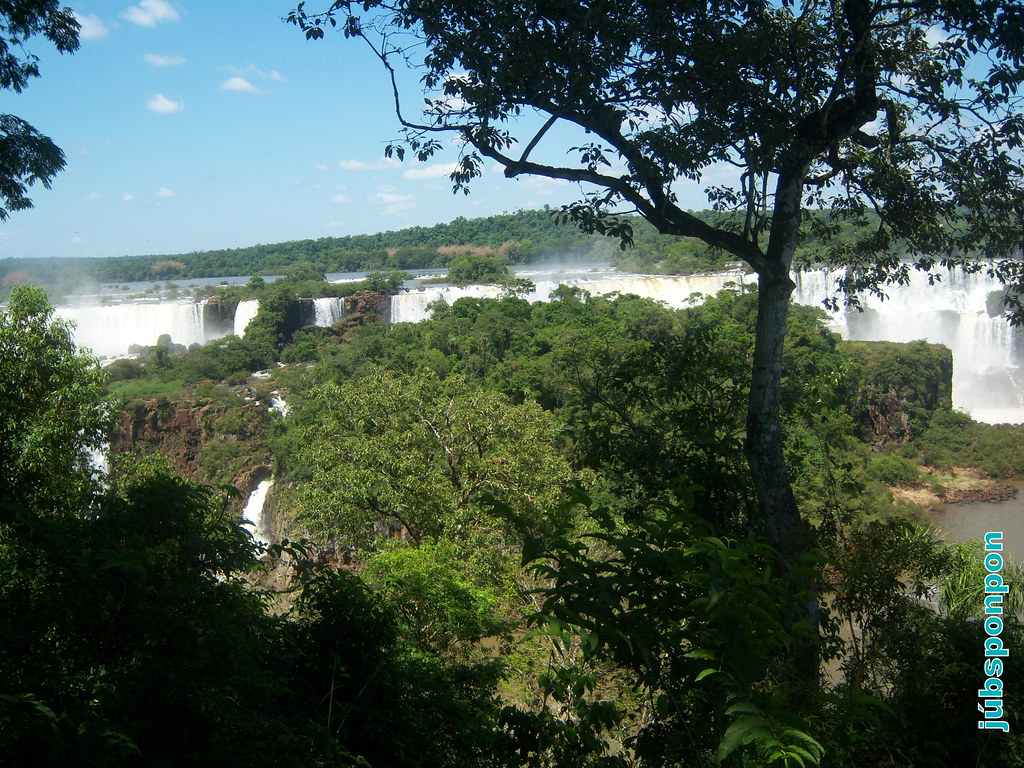
Foz do Iguacu is a vibrant city brimming with natural wonders, offering a captivating mix of lush greenery and cascading waters. Nestled at the tri-junction of Brazil, Argentina, and Paraguay, it’s globally renowned for its awe-inspiring waterfalls, which are nothing short of a natural masterpiece. The city’s laid-back atmosphere, combined with the rhythmic sounds of the Iguacu River, creates a unique blend of serenity and excitement that draws visitors from around the world.
This Brazilian gem serves as a perfect destination for those seeking a thrilling yet brief escape into nature. Foz do Iguacu is compact and easy to navigate, making it an ideal spot for a quick visit. With most attractions concentrated in or near the city center, you can effortlessly explore by foot or utilize the efficient public transport. In Foz do Iguacu, delightful surprises await at each turn, offering short yet sweet experiences that are both enriching and memorable.




Getting There
Reaching Foz do Iguacu is straightforward, with Foz do Iguacu/Cataratas International Airport (IGU) serving as the primary gateway for international and domestic travelers. The airport receives direct flights from major Brazilian cities such as Sao Paulo and Rio de Janeiro, and from international hubs like Buenos Aires. It’s a convenient 20-minute drive to the city center, making arrival seamless.
While train travel isn’t a feasible option for reaching Foz do Iguacu, bus services provide an economical alternative. Buses from cities like Curitiba and Porto Alegre offer longer, scenic journeys that can showcase Brazil’s beautiful landscapes. Road travel from these hubs typically takes between 8 to 12 hours, depending on your starting point and traffic conditions.
Best Time to Visit
The ideal time to explore Foz do Iguacu is during the fall months of March to May and spring months of September to November. These periods present mild weather conditions and fewer crowds, allowing you to enjoy the majestic waterfalls in comfort. During these seasons, temperatures are pleasant, ranging from 15°C to 25°C (59°F to 77°F), making it perfect for outdoor activities and sightseeing.
If you’re aiming to see the falls at their most spectacular, consider visiting during the spring when the water levels are generally higher, enhancing the beauty of the Iguacu Falls. However, if you wish to avoid the peak tourist season, plan your trip right before or after the school vacation periods in Brazil, typically July and December to January. This way, you can revel in the natural beauty of Foz do Iguacu without the hustle and bustle.
How Long Is Enough?
Spending 24 hours in Foz do Iguacu allows you to witness its iconic Iguacu Falls, offering a mesmerizing snapshot of the city’s natural beauty. A single day will give you the chance to experience the sheer force and majesty of the falls, with potential excursions to nearby viewpoints. While it’s a brief encounter, the awe-inspiring sights will undoubtedly leave a lasting impression.
Opting for 48 hours in Foz do Iguacu lets you dive deeper, allowing for a leisurely exploration of both the Brazilian and Argentinean sides of the falls. You can enjoy additional activities such as a boat ride under the falls, interact with the fascinating wildlife at the Bird Park, or simply savor the local cuisine at your leisure. This duration provides a more rounded understanding of the city’s allure.
Staying up to three to four days offers richer immersion, uncovering more layers of the area’s culture and nature. Beyond the falls, you can explore the Itaipu Dam, one of the world’s largest hydroelectric power plants, or engage with the multicultural tapestry at local festivals. This extended stay allows you to absorb the full character and vibrancy of Foz do Iguacu, ensuring a truly memorable visit.
Top Sights You Can’t Miss
Foz do Iguacu is the crown jewel of Brazil’s natural wonders, renowned for its breathtaking landscapes and cultural tapestry. This captivating city sits amidst lush rainforests, offering a rare blend of natural and man-made marvels. Its prime location near waterfalls and rich biodiversity makes it a dream destination for nature lovers and thrill-seekers alike.
The city’s highlights are conveniently accessible, making it easy to explore these must-see attractions:
- Iguacu Falls: A staggering spectacle of water power, this series of massive waterfalls is one of the New Seven Natural Wonders of the World.
- Itaipu Dam: As one of the largest hydroelectric power plants, this engineering marvel offers captivating tours showcasing its monumental scale and environmental significance.
- Parque das Aves (Bird Park): Step into a vibrant sanctuary where you can get up close with exotic bird species in their natural habitat.
- Three Borders Landmark: This tri-border point offers a unique cultural experience where Brazil, Argentina, and Paraguay meet, providing stunning views and cultural exhibitions.
- Buddhist Temple: This tranquil spot offers peace and beautiful architecture with impressive sculptures and surroundings, perfect for a serene break.
Got More Time?
If you’re blessed with a little extra time in Foz do Iguacu, expand your horizons beyond the main attractions. One rewarding outing is a trip to the Iguacu National Park on the Argentine side, where you can meander further and appreciate different perspectives of the falls. This side offers more trails that allow you to get incredibly close and feel the mist on your skin, broadening your appreciation of this natural wonder.
For those curious about wildlife, consider a guided eco-tour in the surrounding Atlantic Forest reserves. These excursions provide opportunities to spot unique flora and fauna, including jaguars and giant anteaters, in their natural habitats. The tours give you a deeper understanding of the ecosystem and conservation efforts in the region.
Lastly, a day trip to the charming towns of Puerto Iguazu in Argentina or Ciudad del Este in Paraguay can introduce you to local cultures. These nearby locations offer bustling markets, vibrant street scenes, and additional perspectives on this tri-border cultural melting pot. Each offers a chance to delve into the diverse lifestyles and traditions that make this region fascinatingly unique.
Where to Stay
The heart of Foz do Iguacu offers a multitude of appealing neighborhoods that cater to different traveler preferences, ensuring a fulfilling stay. For those who appreciate being in the middle of city life while enjoying easy access to amenities, Centro is the place to be. This bustling area is characterized by its vibrant streets, filled with local shops, restaurants, and cultural centers. Staying here means you’re conveniently close to the main bus terminal, making it easy to venture to various attractions.
For visitors seeking a more tranquil setting, Vila Yolanda is an excellent choice. This neighborhood, known for its leafy streets and quieter ambiance, is popular among families and those looking for a bit more relaxation. Despite its calm vibe, it’s still well-connected to the main sights and offers a select range of charming cafes and boutique hotels.
Another noteworthy area is Avenida das Cataratas, which serves as the main route to the Iguacu Falls. Opting to stay here puts you in close proximity to both the natural wonders and the airport, simplifying your travel logistics. It’s perfect for those who want a blend of nature and convenience, plus the chance to soak up the picturesque views along one of Brazil’s most iconic roads.

Pietro Angelo Hotel
R. Almirante Barroso, 1864, Foz do Iguaçu, PR, 85851-010


Viale Tower Hotel
Av. Jorge Schimmelpfeng, 232, Foz do Iguaçu, PR, 85851-110


Ibis Hotel
R. Almirante Barroso, 866 (Av. Jorge Schimmelpfeng), Foz do Iguaçu, PR

Getting Around
Moving around Foz do Iguacu is a straightforward experience, with several transport options catering to different needs. Whether you’re looking to reach attractions efficiently or explore the city at your own pace, there’s a suitable choice for everyone. Here’s a guide to the main modes of transport:
- Public Buses: The public bus network is extensive and affordable, with fares typically costing around R$4. It’s a cost-effective way to visit places like Iguacu Falls, the Bird Park, and downtown areas.
- Taxis and Ride-Sharing: Taxis are widely available, and apps like Uber and 99 make it convenient to get around efficiently, especially for reaching remote attractions. Prices are reasonable and provide flexibility in travel plans.
- Bicycle Rentals: For those who enjoy cycling, renting a bike is a fun and eco-friendly way to explore. Foz do Iguacu has various bike-friendly routes, particularly near the falls and local parks.
- Walking: Given the compact nature of central areas, walking is often the most enjoyable method of exploring neighborhoods like Centro and Vila Yolanda. It allows travelers to soak in the local atmosphere and discover hidden gems.
What to Eat
Foz do Iguacu’s culinary scene is as diverse as its cultural heritage, offering a delightful array of flavors influenced by its tri-border location with Argentina and Paraguay. Visitors can indulge in a fusion of traditional Brazilian cuisine with exciting international twists, making every dining experience unique. From hearty meals to quick bites, there’s something to satisfy every palate.
While exploring this vibrant city, you’re sure to encounter delicious local specialties. Here are some must-try dishes that capture the essence of Foz do Iguacu:
- Churrasco: This traditional Brazilian BBQ is a carnivore’s delight, typically featuring various grilled meats. It’s best enjoyed at local churrascarias, where you can savor endless cuts straight off the skewer.
- Empanadas: Influenced by neighboring Argentina, these pastry pockets filled with savory meats or cheese are a popular street food snack found at city markets and street stalls.
- Fish Tacos: Thanks to the nearby Parana River, fresh fish tacos are a local favorite. You can savor them at casual restaurants or riverside eateries, often accompanied by tangy salsas.
- Feijoada: A hearty stew of black beans and pork, typically served with rice and orange slices. It’s a comforting dish often found in local homes and rustic restaurants.
- Caipirinha: Brazil’s national cocktail made with cachaça, lime, and sugar, offering a refreshing sip after a long day of sightseeing. It’s widely served in bars and eateries across the city.
Foz do Iguacu: A Symphony of Nature and Culture
Foz do Iguacu leaves a lingering impression, captivating visitors with its harmonious blend of breathtaking landscapes and vibrant cultural flavors. Set against the backdrop of the iconic Iguacu Falls, the city is more than just a gateway to natural wonders. It’s a dynamic meeting point where Brazil’s charm intersects with the unique influences of Argentina and Paraguay. The rhythm of the city beats to the sounds of roaring waterfalls and the bustling streets of its lively neighborhoods.
For those who venture here, the magic of Foz do Iguacu often lies in its contrasts. From the engineering marvel of the Itaipu Dam to the serene beauty of the Bird Park, each corner offers a new facet of discovery. Visitors often find themselves bewitched by the city’s energy, carried by the warmth of its people and the richness of its cuisine. Foz do Iguacu is more than a destination; it is a vibrant tapestry woven with threads of adventure, culture, and nature, offering memories you’ll cherish long after your journey ends.