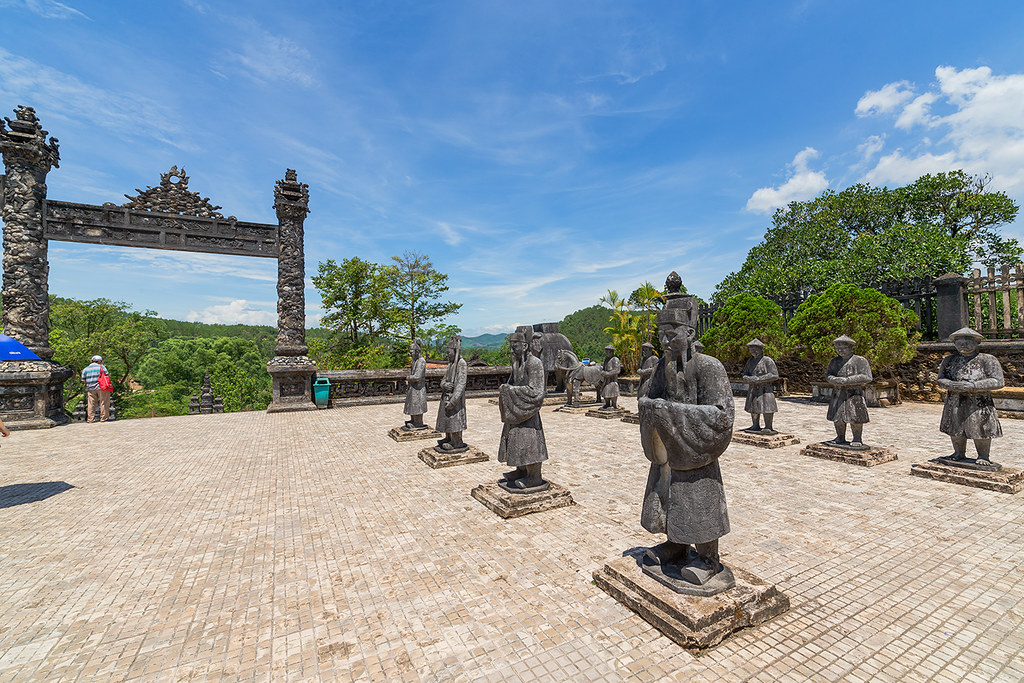
Hue: Essential Highlights for a Quick Visit
Nestled in the heart of Vietnam, Hue is a city that whispers tales of imperial glories, majestic pagodas, and tranquil riverscapes. This charming city, once the capital of the Nguyen Dynasty, offers a serene blend of history and natural beauty that beckons travelers with its laid-back charm and cultural richness. Hue’s poetic ambiance, enriched by ancient tombs and colonial architecture, makes it both a nostalgic and engaging destination.
Hue is ideal for a short trip, offering easily accessible attractions within a compact area. With a leisurely pace and pedestrian-friendly layout, travelers can effortlessly navigate its cultural tapestry. Whether strolling along the Perfume River or exploring its bustling local markets, Hue provides a harmonious blend of exploration and relaxation, perfect for those seeking a quick yet fulfilling escape.


Getting There
The easiest way to reach Hue is via Phu Bai International Airport, situated just 15 kilometers from the city center. It handles both domestic flights and a few international routes, making it a convenient gateway for travelers. From Ho Chi Minh City or Hanoi, flights typically take around 1-1.5 hours, with several airlines offering daily services.
For those preferring a scenic route, train travel is an attractive option. The Hue Railway Station connects with major cities like Hanoi and Da Nang via the Reunification Express. While the journey takes longer than flying, it offers glimpses of Vietnam’s beautiful landscapes along the way. Buses are also available as an economical choice, though travel times can be lengthy. Opting for an overnight bus from nearby hubs like Da Nang ensures a budget-friendly and time-efficient trip.
Best Time to Visit
The best time to experience Hue is during the spring months of February to April, when the weather is pleasantly mild and rainfall is minimal. This period showcases the city in full bloom, with refreshing breezes and moderate temperatures perfect for exploring outdoor attractions comfortably. Avoid the summer months from May to August, as they can be quite hot and humid.
Another ideal time to visit Hue is in October and November, during the Hue Festival, when the city hosts vibrant cultural performances and artistic events, drawing both locals and tourists. This festive season not only highlights the cultural richness of Hue but also provides an enriching experience for visitors eager to dive into the local traditions.
How Long Is Enough?
In just 24 hours, visitors can soak in the historical essence of Hue by visiting the Imperial City and strolling along the Perfume River, capturing the city’s blend of past and present. This whirlwind visit provides a snapshot of Hue’s royal legacy and a taste of local life, perfect for those on a tight schedule.
Staying for 48 hours allows for a deeper dive into the city’s cultural tapestry, exploring more of its landmarks like the royal tombs or enjoying a serene sunset cruise on the river. The additional day gives travelers time to relish Hue’s culinary delights, such as bun bo Hue, while unwinding in the city’s relaxed pace.
For a truly comprehensive experience, a three-day visit opens opportunities to venture beyond the main sites, immersing in local workshops or cycling through peaceful villages. This extended stay lets travelers savor Hue’s unique character at a leisurely pace, enriching their understanding of Vietnam’s imperial heritage.
Top Sights You Can’t Miss
Hue, the former imperial capital of Vietnam, is a treasure trove of history and culture set against a picturesque landscape. Its riches are deeply rooted in its past, where emperors once ruled, and grand structures were built to reflect their dynastic power. The city’s unique heritage, marked by the harmonious blend of Vietnamese and colonial influences, makes it a fascinating destination for those keen on discovering Vietnam’s historical narratives.
- Imperial City: This UNESCO World Heritage Site captivates with majestic palaces and gates, revealing the opulence of Vietnam’s feudal rulers.
- Thien Mu Pagoda: Overlooking the Perfume River, this iconic seven-story pagoda is a spiritual beacon offering panoramic views.
- Tomb of Minh Mang: A testament to architectural elegance, where nature entwines with the Emperor’s grandeur.
- Tomb of Tu Duc: An embodiment of poetic beauty, this tomb is surrounded by a tranquil lake and gardens reflecting Tu Duc’s philosophy.
- Dong Ba Market: Dive into local life and cuisine by exploring this bustling market filled with flavorsome street food and handicrafts.
Got More Time?
If you have extra days in Hue, delve deeper into the region’s allure by visiting Bach Ma National Park. Just an hour’s drive from the city, this natural haven offers lush landscapes, diverse wildlife, and invigorating hikes to stunning viewpoints like the Five Lakes and Do Quyen Waterfall. It’s a perfect escape into nature for those hungry for adventure.
Another worthwhile excursion is a day trip to Phong Nha-Ke Bang National Park, home to one of the world’s oldest karst mountains and breathtaking caves. Take a boat ride through the mystical Phong Nha Cave or explore the vast network of chambers in Paradise Cave, experiencing the geological wonders that lie hidden beneath the surface of Vietnam.
For history enthusiasts, a visit to the Demilitarized Zone (DMZ) reveals poignant reminders of Vietnam’s war history. Guided tours through this area provide insight into significant war sites such as Khe Sanh Combat Base and Vinh Moc Tunnels, offering a somber yet essential perspective on the country’s past conflicts.
Where to Stay
For those looking to fully immerse themselves in Hue’s history, consider staying in the Citadel area. Close to the Imperial City, this area offers an authentic glimpse into the past, with many accommodations set in charming old buildings. Staying here means you’re just a stone’s throw away from Hue’s iconic sites, allowing for leisurely strolls around the grand palaces and ancient gates.
The lively Phu Hoi district is perfect for travelers who enjoy convenience and a vibrant atmosphere. Located near the Perfume River, this area is bustling with restaurants, cafes, and shops, catering to both daytime explorers and night owls alike. Its central location makes it an ideal base for heading out to explore Hue’s attractions or enjoy a relaxing boat ride along the river.
If tranquility and scenic views are what you seek, consider the Thuy Bieu Village area, just a short ride from the city center. Known for its peaceful countryside charm and lush greenery, this area offers a serene retreat with opportunities for cycling tours and traditional Vietnamese cooking classes. Staying here provides a delightful balance between urban exploration and rural relaxation.
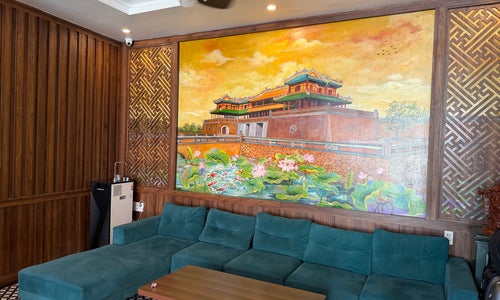
Jade Scene Hotel
17 Nguyen Thai Hoc, Huế, Tỉnh Thừa Thiên-Huế

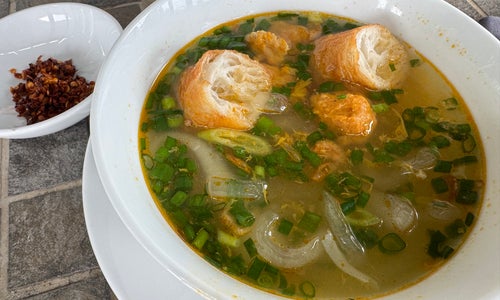
Meliá Vinpearl Hue
50A Hung Vuong, Huế, Tỉnh Thừa Thiên-Huế


Getting Around
Getting around Hue is a straightforward affair, with several convenient options catering to different preferences and budgets. The city’s compact size and numerous attractions make exploring both easy and enjoyable, whether you’re navigating on foot or opting for public transport.
- Walking: Many of Hue’s main attractions are within walking distance, especially in the Citadel area, making walking one of the best ways to soak up the ambience.
- Bicycles: Renting a bicycle is popular and inexpensive, allowing for leisurely exploration of city streets and quieter rural areas. Expect to pay around 30,000 VND per day.
- Taxis and Motorbike Taxis: Taxis are readily available and convenient for longer distances, with rides typically costing a few dollars depending on distance. Motorbike taxis, or ‘xe om’, are a thrilling way to zip through traffic and can be negotiated at a slightly lower rate.
- Cyclos: For a romantic ride through the city, hop on a cyclo for a unique perspective of Hue’s streets at a relaxed pace. Prices are negotiable, so be sure to settle on a fare beforehand.
- Local Buses: While not as prevalent as other modes, local buses offer a budget-friendly way to explore surrounding areas, especially for day trips to nearby attractions.
What to Eat
Hue’s cuisine is a feast for the senses, distinguished by its intricate flavors and artistic presentations that reflect its regal heritage. Known for royal cuisine as well as humble street food, Hue offers a culinary journey that can’t be missed. Whether sampling dishes in bustling markets or cozy eateries, visitors are sure to be enchanted by the taste of Hue.
The city offers a plethora of traditional dishes, each with a unique story and flavor profile. Here are some must-try dishes that you can find at street stalls, local markets, and casual restaurants throughout Hue.
- Bun Bo Hue: A hearty and spicy beef noodle soup that’s a breakfast staple, found at street-side stalls and family-run eateries.
- Banh Beo: Steamed rice pancakes topped with dried shrimp and crispy pork rinds, often enjoyed at small, specialized restaurants or market counters.
- Banh Khoai: Similar to pancakes, these fried rice flour snacks are filled with shrimp and pork, served with flavorful dipping sauce at local food joints.
- Nem Lui: Grilled pork skewers served with rice paper and greens, typically enjoyed at casual spots or night markets.
- Com Hen: A flavorful rice dish made with baby clams, commonly found at street stalls on vibrant corners of the city.
- Café Sua Da: Iced Vietnamese coffee sweetened with condensed milk, providing a refreshing boost available at cafes dotted throughout Hue.
Hue’s Lasting Impressions
Stepping into Hue is like opening a well-preserved chapter of Vietnam’s intriguing past, where history and culture unfold in every corner. What makes Hue truly stand out is its ability to convey a sense of timeless elegance, manifested through its grand architecture and serene landscapes. Visitors often remember Hue for its gentle charm, interwoven with stories of emperors and epochs long gone. This city, nestled between mountains and rivers, resonates with an atmosphere of tranquility and reflection.
During a short trip, travelers are quickly captivated by Hue’s unique ability to balance solemn history with vibrant life. The rhythmic flow of the Perfume River, the quiet aura of a pagoda at dusk, and the vibrant hues of the local cuisine are imprinted in their memories. Hue leaves an indelible impression with its blend of the old and new, weaving a rich tapestry of experiences that linger long after one’s journey ends. It is a soulful destination that embraces visitors with warmth, inviting them to explore and reflect, even in the briefest of encounters.