Jakarta: Java’s Giant, Beyond the Traffic
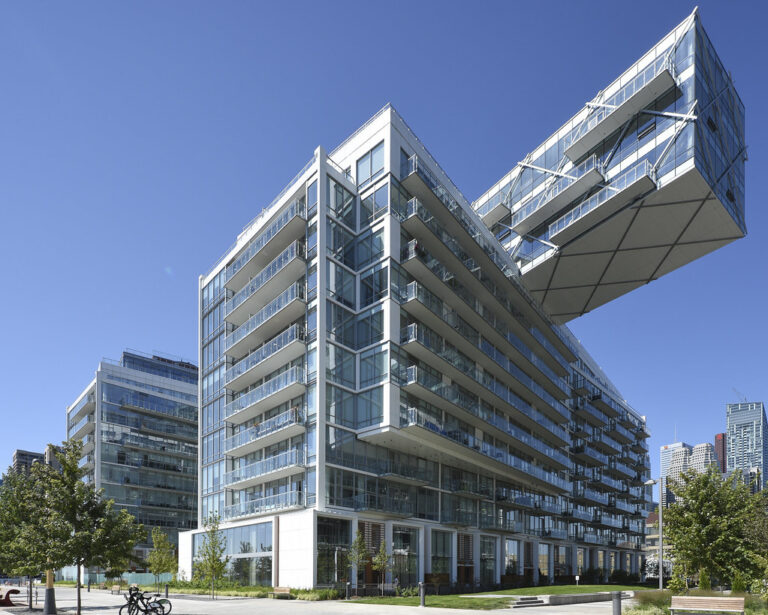
Jakarta is a vibrant melting pot of cultures nestled on the northwest coast of Java. Known for its bustling energy and dynamic streets, the city pulses with a unique rhythm where modern skyscrapers share the skyline with colonial buildings and traditional markets. This vibrant juxtaposition creates an atmosphere that’s both exhilarating and richly historical, making Jakarta a fascinating destination for those with an adventurous spirit.
Despite its vastness, Jakarta is surprisingly accessible for a short visit, thanks to its well-integrated public transport and convenient layout. Whether you’re seeking a quick urban escape or a deeper cultural dive, the city’s spread doesn’t feel overwhelming. Visitors can easily explore both the traditional and contemporary facets of Jakarta at a leisurely pace, taking comfort in the city’s unmistakable friendliness and welcoming vibe.


Getting There
Jakarta is well-connected to the rest of the world through Soekarno-Hatta International Airport (CGK), one of the busiest airports in Southeast Asia. It serves numerous international airlines, offering direct flights from major global cities like Singapore, Kuala Lumpur, Hong Kong, and Sydney. Depending on your departure city, flight durations can vary broadly, but the journey from nearby hubs like Singapore Changi Airport typically takes around two hours. For travelers on a budget, low-cost carriers frequently offer competitive fares.
For those traveling within Indonesia, Jakarta can be reached via an extensive railway network that connects it to cities like Bandung, Yogyakarta, and Surabaya. The Gambir Railway Station is the main hub for intercity trains, offering daily services. Depending on your starting point, train travel times can range from a few hours to overnight journeys, providing a comfortable and scenic alternative to flying.
Best Time to Visit
The optimal time to explore Jakarta is during the dry season, from May to September, when the weather is typically sunny and less humid, making it ideal for sightseeing and outdoor activities. During this period, the city sees fewer rain showers, allowing for uninterrupted exploration of its vibrant streets and cultural landmarks.
While Jakarta can be crowded year-round, avoiding the wet season from October to April is advisable as heavy rain can cause disruptions in travel plans. Consider visiting in June or July to coincide with local festivals and events. These months not only promise pleasant weather but also a chance to experience the city’s cultural celebrations, adding a unique touch to your holiday.
How Long Is Enough?
Jakarta is a vast city brimming with life and activity, making even a short 24-hour visit quite enriching. In just 24 hours, you can get a taste of Jakarta’s bustling energy by exploring its vibrant street markets, sampling local street food, and soaking in the contrasts of its modern skyline and historical heritage. It’s the perfect way to grasp the essence of Jakarta if your travel itinerary is tight.
Spending 48 hours in Jakarta allows you to dive a little deeper. With 48 hours, you can pair your cultural explorations with a visit to some of the city’s lush parks or indulge in Jakarta’s varied nightlife, tapping into the rhythm of its diverse community. Exploring museums or enjoying a boat ride in the Thousand Islands provides a more rounded picture of the city’s cultural depth.
If time permits, extending your stay to three or four days lends a truly immersive experience. A longer stay lets you venture into Jakarta’s less-touristed neighborhoods, where you can discover hidden gems and enrich your understanding of local culture and daily life. This extended time is perfect for those who wish to delve into Jakarta’s multifaceted identity, balancing its fast-paced urban vibes with quieter, introspective moments in temples or traditional art galleries.
Top Sights You Can’t Miss
Jakarta is a city of contrasts, offering a rich tapestry of experiences that showcase its historical roots and modern ambitions. As the capital of Indonesia, it presents travelers with a bounty of iconic landmarks that stand testament to its vibrant past and progressive present. Exploring Jakarta’s key sights offers a glimpse into its diverse cultural heritage, from colonial architecture to bustling urban spaces.
- National Monument (Monas): A towering symbol of Indonesian independence, offering panoramic views of the city from its observation deck.
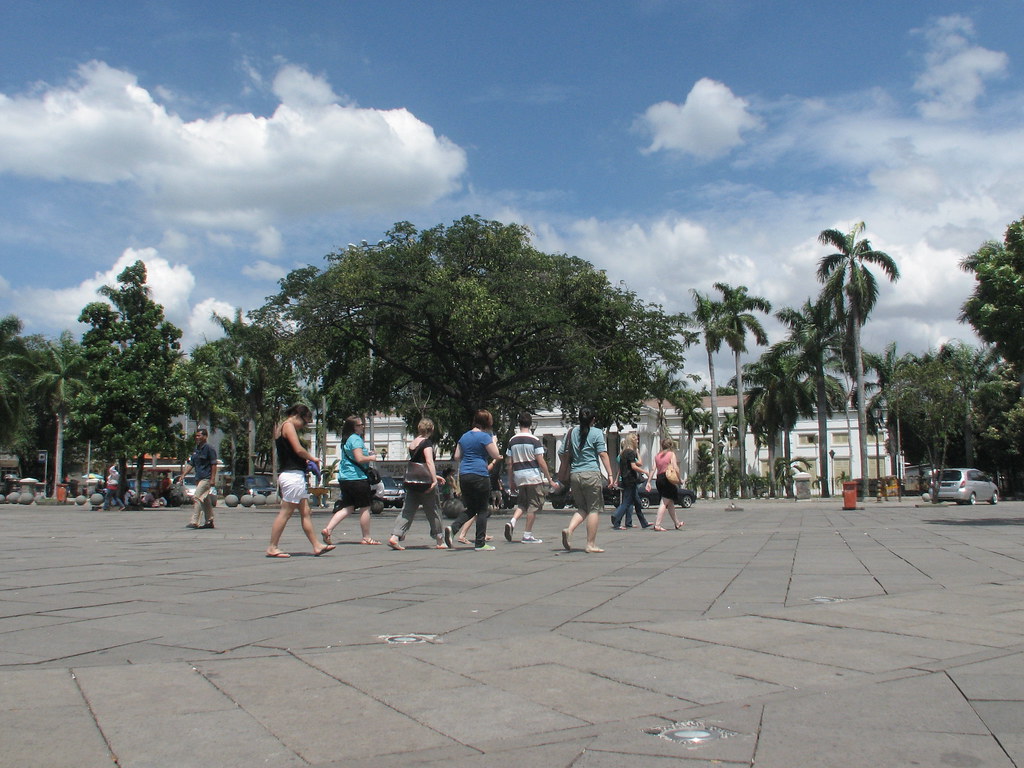
- Kota Tua (Old Town): A historic neighborhood that takes you back in time with its charming colonial buildings and the famed Fatahillah Museum.
- Istiqlal Mosque: The largest mosque in Southeast Asia, representing the nation’s dedication to religious diversity and peace.
- Ancol Dreamland: Jakarta’s own theme park and recreational complex by the sea—the ideal spot for families and thrill-seekers.
- Thousand Islands: Easily accessible from the city, these idyllic islands offer pristine beaches and snorkeling opportunities, perfect for a peaceful retreat.
- Taman Mini Indonesia Indah: A cultural park that showcases the diverse cultures of Indonesia, with traditional houses and vibrant performances.
Got More Time?
For those who have extra time in Jakarta, there’s much more to discover beyond the city’s main attractions. Exploring some of the city’s lesser-known neighborhoods like Glodok, Jakarta’s Chinatown, can unveil a different side of Jakarta, with its vibrant street markets and a plethora of temples offering a more intimate cultural experience.
If you’re in the mood for some green space, the Bogor Botanical Gardens, only a short train ride away, is a serene retreat from the urban hustle. It’s a lush sanctuary that boasts thousands of plant species, including impressive tropical flora. This is an ideal spot for nature enthusiasts and those seeking a refreshing respite from city life.
For a fascinating day trip, consider visiting Taman Safari in Bogor, which offers an interactive wildlife experience, or venture slightly further to Mount Bromo for breathtaking views and an unforgettable sunrise trek. Both excursions can provide a deeper appreciation of Indonesia’s rich natural landscape. With time on your hands, these hidden gems and day trips can enhance your Jakarta experience, offering a balance of urban exploration and nature adventures.
Where to Stay
Choosing where to stay in Jakarta largely depends on your interests and itinerary. If you’re keen on being at the heart of Jakarta’s bustling lifestyle, Central Jakarta is the ideal place to base yourself. It’s home to key landmarks such as Monas, and offers a vibrant mix of modern shopping malls and historic architecture, making it a convenient starting point for exploring the city’s iconic sights.
For a more luxurious and cosmopolitan vibe, South Jakarta may be more up your alley. Known for its upscale neighborhoods, like Kemang and Senayan, this area is teeming with trendy cafes, chic boutiques, and lively nightlife, making it a popular choice for young travelers and expats seeking a more relaxed and refined stay.
If you’re looking to explore Jakarta’s unique cultural heritage, consider staying in West Jakarta, particularly near Kota Tua. This area provides easy access to the old town’s colonial charm and traditional attractions, allowing you to immerse yourself in the city’s rich history, lined with museums and artisanal markets. Each of these areas offers a distinct perspective on Jakarta’s multifaceted character, providing a suitable backdrop to your city adventure.

D Hotel Sultan Agung
Jalan Sultan Agung, Jakarta Pusat, Jakarta

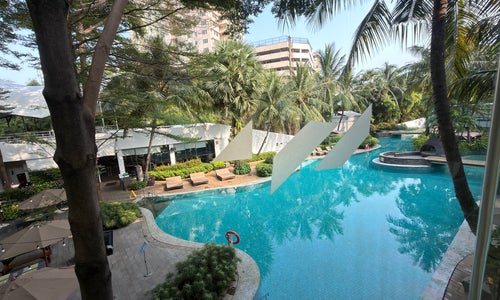
DoubleTree by Hilton Hotel Jakarta - Diponegoro (DoubleTree by Hilton)
Jl. Pegangsaan Timur No. 17, Jakarta Pusat, Jakarta 10310

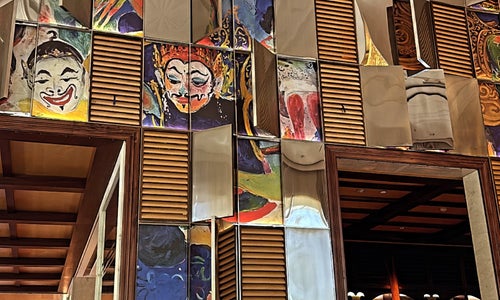
Raffles Hotel Jakarta
Ciputra World 1, Jl Prof Dr Satrio Kav 3 5, Jakarta Selatan, Jakarta 12940

Getting Around
Getting around Jakarta can seem daunting due to its size and traffic, but there are several effective transport options to help navigate the city efficiently. From modern transit systems to traditional methods, visitors have a range of choices according to their needs and itinerary.
- TransJakarta Buses: These dedicate lanes and bus rapid transit (BRT) services are a reliable way to navigate the city’s main thoroughfares. They offer flat rates for travel, making them budget-friendly and ideal for getting across the city.
- Commuter Line (KRL): The commuter rail is perfect for longer distances or visiting areas like Bogor. It’s efficient and more comfortable for journeying outside the central districts, offering an economical way to cover larger areas.
- Ride-Hailing Apps: Services like Gojek and Grab are ubiquitous in Jakarta. They offer convenient and flexible options for shorter distances or off-peak hours, with the added benefit of knowing the fare upfront.
- Taxis: Widely available across the city, conventional taxis provide comfort and navigation ease. Use reputable operators like Blue Bird for a reliable experience, though they’re pricier than public transport.
What to Eat
Jakarta’s food scene is a vibrant mosaic of flavors and influences, reflecting the city’s diverse cultural tapestry. From bustling street food spots to upscale dining, the city offers an array of culinary delights that cater to every palate. Here, traditional Indonesian dishes stand alongside international cuisines, ensuring a rich gastronomic adventure for any visitor. Exploring Jakarta’s food offerings is not just about the taste, but experiencing the communal aspect of sharing meals that is integral to the local way of life.
With a plethora of options, it’s easy to enjoy authentic meals that capture the essence of Indonesian cooking.
- Nasi Goreng: The quintessential Indonesian fried rice, often served with a fried egg and crackers. It’s a popular choice at street stalls and casual eateries.
- Satay: Skewered and grilled meats usually served with a savory peanut sauce. These can be found at both street vendors and restaurants.
- Gado-Gado: A healthy and refreshing salad of mixed vegetables covered in a rich peanut dressing, often enjoyed at traditional markets.
- Soto Betawi: Jakarta’s own version of beef soup, characterized by its creamy coconut milk broth, available in many local warungs (small eateries).
- Kerak Telor: A Betawi specialty omelet made with eggs, glutinous rice, and spices, typically sold by street vendors, especially during special occasions and festivals.
- Es Campur: A sweet, icy dessert that combines a mixture of fruits, syrup, and jelly, perfect for cooling down in Jakarta’s tropical heat. Often found at dessert stalls or food courts.
Jakarta: A Taste of Vibrancy
Jakarta leaves an indelible mark on its visitors with its lively, contrasting energy and a rich tapestry of experiences. The city’s powerful pulse is fueled by its cultural diversity, with modern luxuries and historical wonders coexisting in harmony. Whether strolling through historic alleys or savoring local delicacies, each moment in Jakarta is a sensory delight. Visitors often find themselves drawn to its rhythm, a seamless blend of the old and the new that defines its unique charm.
A short trip to Jakarta is not merely a journey but an invitation to embrace its exuberant spirit, where every street corner tells a story and every meal is a celebration. What stands out about Jakarta is its ability to weave community and tradition into the fabric of urban life, offering genuine hospitality that makes every guest feel at home. It’s this blend of warmth and dynamism that travelers carry in their hearts long after they leave, as they reminisce about the city that is ever-evolving yet profoundly rooted in its cultural identity.