Kyoto: The Old Capital, at Walking Pace
The allure of Kyoto lies in its seamless blend of the ancient and the modern, captivating travelers with its peaceful atmosphere and distinctive rhythm. Known for its rich tapestry of temples and gardens, Kyoto’s charm is not just in its sights but in its serene ambiance that feels almost timeless. It’s a city where past and present coexist gracefully, offering visitors an intimate glimpse into Japan’s historical and cultural heritage.
Ideal for a short trip, Kyoto’s compact layout and walkable streets make it easily navigable, allowing travelers to soak in its splendor at a leisurely pace. Whether you’re wandering through narrow alleyways dotted with traditional machiya houses or strolling along the picturesque Philosopher’s Path, Kyoto invites you to explore its unique character effortlessly. Here’s what you need to know to make the most of your visit to this enchanting city.


Getting There
Kyoto is easily accessible from abroad and nearby Japanese cities, making it a convenient destination for international travelers. Most visitors arrive via Kansai International Airport (KIX), which is about 75 minutes away by direct Express Haruka train to Kyoto Station. This option offers a comfortable and efficient journey with stunning views of the Japanese countryside.
For those traveling within Japan, the Shinkansen (bullet train) is your best bet. The Tokaido Shinkansen, which connects major cities like Tokyo and Osaka, stops at Kyoto and provides a speedy and smooth ride. From Tokyo, it takes approximately 2 hours and 20 minutes by Nozomi train, while a journey from Osaka takes merely 15 minutes. Budget-conscious travelers can opt for highway buses, which offer affordable alternatives albeit with longer travel times.
Best Time to Visit
With its distinct seasons, Kyoto offers something unique throughout the year, but the city is especially enchanting during spring (March to May) and autumn (October to November). During these months, the weather is pleasantly cool, and the landscapes are at their most breathtaking. In spring, cherry blossoms transform the city into a sea of pink, creating a picturesque backdrop for exploring temples and gardens.
Autumn, on the other hand, brings a vibrant display of red and orange foliage that is equally beautiful. One of the best times to visit is during the Arashiyama Hanatouro event in December when thousands of lanterns illuminate the famous bamboo groves, casting the area in an ethereal glow. Keep in mind that these seasons are popular with tourists, so planning ahead is key to ensure accommodations and entry into popular sights.
How Long Is Enough?
To truly savor Kyoto’s unique character, even a brief visit can offer a memorable experience. In 24 hours, you can immerse yourself in the city’s tranquil atmosphere while visiting iconic sites like a single historic temple, perhaps indulging in a peaceful evening stroll through a traditional neighborhood. This whirlwind day allows you to capture the essence of Kyoto’s spirit, yet leaves much undiscovered.
Spending 48 hours in Kyoto enriches the experience significantly. With two days, you can savor a mix of historical exploration and modern indulgence, such as enjoying a multi-course kaiseki meal or leisurely exploring both famous landmarks and hidden spots. This extended stay fosters a deeper understanding of the city’s blend of timeless elegance and contemporary vibe. For those with extended time—considering a three to four-day stay—Kyoto unveils even more layers. An extended visit allows you to engage in immersive activities, such as participating in a traditional tea ceremony or wandering through the lesser-known Kyoto outskirts, diving deeper into local culture. Each additional day not only offers more to see but deepens the opportunity to truly connect with this enchanting city.
Top Sights You Can’t Miss
Kyoto, often referred to as Japan’s cultural heart, is renowned for its exquisite temples, serene gardens, and preserved historical districts. Its rich history is woven into the fabric of the city, inviting visitors to step back in time and appreciate the elegance of traditional Japan. With a myriad of iconic sites available, even a short visit can provide a comprehensive glimpse into its vibrant past and captivating culture.
- Kinkaku-ji (The Golden Pavilion): This stunning Zen Buddhist temple is famous for its gold leaf exterior and picturesque setting on a tranquil pond.
- Fushimi Inari Taisha: Renowned for its thousands of vermilion torii gates leading up Mount Inari, offering a spiritual experience and breathtaking views.
- Arashiyama Bamboo Grove: A surreal walk through towering bamboo stalks, providing a unique and tranquil escape just outside the city center.
- Gion District: The historic geisha district offers a glimpse into traditional Japan with its charming wooden machiya houses and evening teahouse performances.
- Kyoto Imperial Palace: Once the residence of the Emperor, this palace is set in beautiful gardens and offers a window into the royal past of Japan.
Got More Time?
If your schedule allows for it, there are several additional experiences in and around Kyoto that offer a deeper dive into its rich cultural landscape. Venture to Nijo Castle for a fascinating exploration of shogunate history and enjoy a stroll through its beautiful gardens, which provide a sense of the daily life of the Tokugawa shoguns. Another worthwhile attraction is the Kyoto National Museum, where visitors can admire exceptional collections of traditional arts and artifacts that narrate the story of Japan’s artistic evolution.
For those willing to venture just outside of Kyoto, a day trip to Hiroshima can be both rewarding and thought-provoking. Not far from Kyoto, Nara beckons with its free-roaming deer and the majestic Todai-ji Temple, home to a massive bronze Buddha. Both excursions offer insightful perspectives on the historical and cultural richness of the region.
Nature enthusiasts can consider an excursion to the picturesque village of Takao, tucked away in the mountains northwest of the city. Here, the autumn maple leaves create a canvass of red and gold, particularly beautiful in the fall. This serene setting offers an opportunity for tranquil hikes and a peek into more rural facets of Japanese life.
Where to Stay
Finding the perfect neighborhood to stay in Kyoto greatly enhances the travel experience, and each area offers its own distinct charm. Gion is one of the most iconic districts, famous for its traditional wooden architecture and as the cultural hub for geisha culture. Staying here places you at the heart of historic Kyoto, giving you easy access to delightful evening walks, traditional teahouses, and authentic performances.
If you’re looking for a balance between history and convenience, Central Kyoto is ideal. Home to the bustling hub at Kyoto Station, this area offers excellent accessibility to transport lines, making it easy to explore the entire city and return for a restful night’s sleep. It’s also a great spot for modern conveniences like shopping and an array of dining options, providing a balanced experience of old and new.
For those who prefer a quieter stay, Arashiyama offers a more tranquil environment away from the city’s hustle and bustle. Nestled near beautiful natural sights, including the renowned Bamboo Grove, this area is perfect for nature lovers who want to enjoy peaceful walks and scenic beauty. Arashiyama provides a more laid-back atmosphere, allowing for a relaxing retreat while still being a short train ride away from the city center.

Super Hotel Kyoto Shijo-Kawaramachi (スーパーホテル京都・四条河原町)
中京区中之町538-1 (新京極通四条上ル), 京都市, 京都府, 604-8042

The Ritz-Carlton Kyoto (ザ・リッツ・カールトン京都)
中京区鉾田町543, 京都市, 京都府, 604-0902


Kyoto Hotel Okura (京都ホテルオークラ)
中京区一之船入町537-4 (河原町通二条南入), 京都市, 京都府, 604-8558
Getting Around
Kyoto’s efficient public transportation system and walkable layout make it easy for travelers to navigate the city. With readily available options, you can conveniently reach main attractions and discover hidden gems. Here are the primary modes of transportation to consider during your stay:
- Buses: The extensive Kyoto City Bus network covers most of the city’s attractions. A day pass costs around 600 yen, offering unlimited rides and great value for visiting multiple sites in one day.
- Trains: While the city lacks a subway system, JR trains and private railways connect central Kyoto with its suburbs and offer quick routes to destinations like Arashiyama and Fushimi Inari. The JR Pass, if you have one, can cover these train rides.
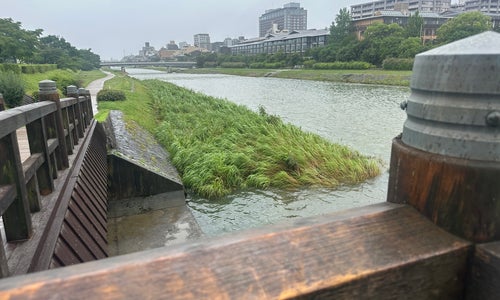
- Bicycles: Renting a bicycle is a popular way to explore Kyoto, especially in the flat central areas and along the scenic Kamo River paths. Bike rentals typically cost around 1,000 yen per day and provide a pleasant and flexible way to see the city at your own pace.
- Taxis: Taxi services are available throughout Kyoto, suitable for when you need quick or door-to-door transport, especially after a late evening in Gion or visiting remote attractions. Be mindful, as they are costlier than public transport options.
What to Eat
Kyoto’s culinary scene is a reflection of its cultural and historical richness, offering a wide array of traditional Japanese flavors and exquisite dining experiences. Particularly famous for its refined multi-course kaiseki cuisine, the city also boasts a variety of unique local specialties that are sure to tantalize your palate. Dining in Kyoto is not only about savoring the flavors but also indulging in the artful presentation and seasonal ingredients that each dish embodies.
From elegant restaurants to cozy street stalls, Kyoto offers a delectable assortment of culinary delights. Here are some must-try foods that capture the essence of Kyoto’s gastronomy:
- Kaiseki: Considered the pinnacle of Japanese haute cuisine, this multi-course meal embodies refined cooking techniques and beautifully presented dishes. Best savored in specialty Japanese restaurants across Kyoto, it provides a full spectrum of local flavors.
- Yudofu: A simple yet delicious tofu hot pot typically enjoyed in the serene surroundings of temple restaurants in Arashiyama. Known for its delicate taste, it represents the simplicity of Kyoto’s temple cuisine.
- Matcha (Green Tea): Rich, frothy green tea sourced from the nearby region of Uji, known for its superior quality. Try it in traditional tea houses where it’s often accompanied by delicate wagashi sweets.
- Nishin Soba: A comforting dish of buckwheat noodles served with preserved herring, available at many traditional soba shops throughout the city. It’s a warming meal perfect to enjoy in colder months.
- Obanzai Ryori: A style of Kyoto home cooking featuring a variety of small, seasonal dishes that epitomize the local dining experience. These are usually found in casual restaurants focusing on traditional regional fare.
Echoes of Kyoto
As one of Japan’s most compelling cities, Kyoto leaves a lasting impression with its delicate blend of tradition and nature. Visitors arriving for a short stay are quickly enveloped by its unique atmosphere, where time-honored practices still thrive alongside modern life. The city’s quiet rhythm and scenic beauty create a serene escape from the bustling energy found in other urban areas, extending moments of tranquility and reflection. It’s in these pauses that Kyoto truly shines, offering an opportunity for introspection and appreciation of its timelessness.
What makes Kyoto truly memorable is how it harmoniously intertwines its historical treasures with the daily lives of its residents. Whether wandering through ancient temples, strolling down charming streets lined with machiya, or participating in a traditional tea ceremony, each experience offers a glimpse into the city’s soul. Most visitors depart with a sense of having connected with something profound, a feeling of having touched the living history interwoven with Japan’s cultural richness. Kyoto stands as a testament to the beauty of preserving one’s past while embracing the future, a city whose essence resonates long after your visit has ended.