Naha, Okinawa: Ryukyu Roots at a Subtropical Pace
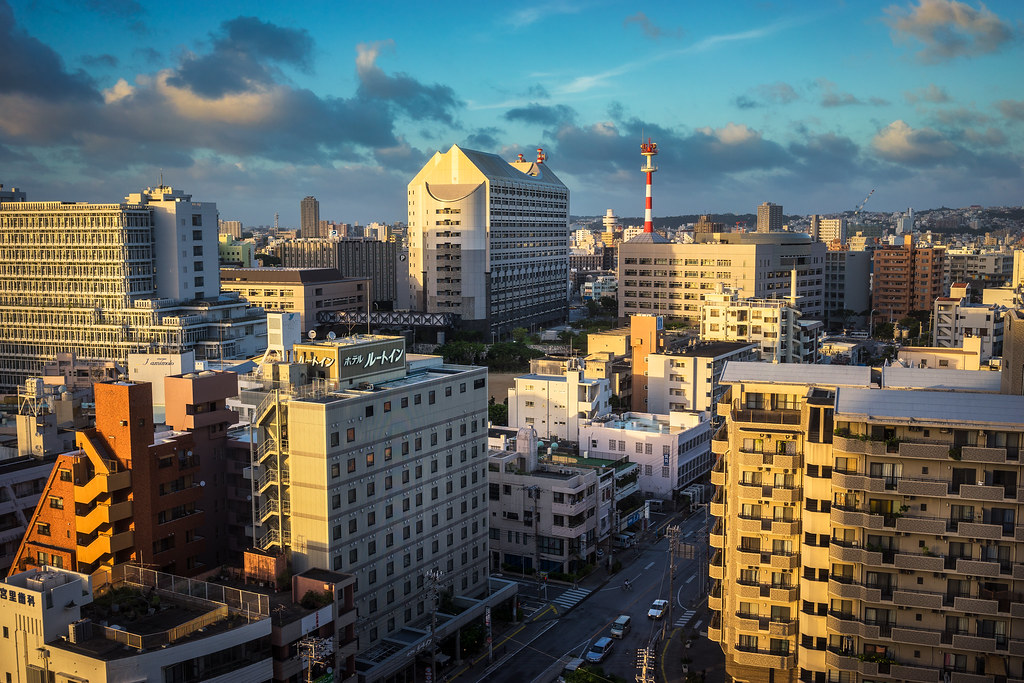
Naha, the vibrant capital of Okinawa Prefecture, offers a delightful fusion of traditional Japanese culture with a distinct Ryukyu twist. This lively city is known for its warm, welcoming atmosphere and the harmonious blend of bustling urban life and serene natural beauty. As you stroll through its streets, you’ll notice Naha’s unique charm that invites both relaxation and exploration, wrapped up in a laid-back island vibe.
Perfectly suited for a short getaway, Naha is compact and easily navigable, making it an excellent choice for travelers looking to make the most of their time. The city’s thoughtful layout and pedestrian-friendly streets ensure that your journey is both leisurely and enlightening. Whether you’re meandering through traditional markets or taking in the lush landscapes, Naha is designed to offer an enriching experience without the rush, appealing to both spontaneous adventurers and meticulous planners alike.


Getting There
Reaching Naha from international locations is most straightforward via Naha Airport (OKA), which serves as the main gateway to Okinawa. The airport offers numerous direct flights from major Asian cities like Tokyo, Seoul, and Taipei, making it a convenient choice for international travelers. Flight times from Tokyo to Naha, for example, are approximately two and a half hours, offering a quick transition from Japan’s bustling capital to the serene island atmosphere.
For those traveling within Japan, domestic airlines provide frequent services from major hubs such as Tokyo’s Haneda (HND) and Osaka’s Kansai (KIX) airports, often at competitive prices due to a variety of low-cost carriers. While there is no direct train service to Naha, domestic flights remain the most practical and time-saving option. Once landed, the airport is a mere 15-minute drive to the city center, ensuring a swift start to your Naha adventure.
Best Time to Visit
For those planning a visit to Naha, spring and autumn are the most favorable seasons to explore the city. During these months, the weather is comfortably warm with gentle breezes, ideal for walking tours and outdoor activities without the intense summer heat or the rainy season’s humidity. March through May, in particular, offer pleasant climate conditions and fewer tourists, giving you the freedom to enjoy the city at a relaxed pace.
Another great time is October and November, when cultural festivals blossom, enriching the city’s vibrant atmosphere. One must-experience event is the Naha Great Tug-of-War in October, a captivating cultural spectacle that draws visitors from around the globe. These months provide a harmonious balance of excellent weather and enriched cultural experiences, making your brief getaway memorable.
How Long Is Enough?
A 24-hour visit to Naha allows travelers to capture the essence of its vibrant streets and warm cultural atmosphere. In just a day, immerse yourself in traditional markets like Kokusai Street, savor local cuisine, and stroll through the serene Shurijo Castle Park at your own pace, tapping into the city’s unique rhythm. The compact nature of Naha makes it possible to see a lot in a short time without feeling rushed.
If you have 48 hours, Naha offers deeper layers to explore. With an extra day, you can dive into Okinawa’s rich history at museums, enjoy leisurely walks along beaches like Naminoue, and soak in the city’s renowned nightlife, where the local music and dance provide an unforgettable experience. This added time offers a profound understanding of both the historic and modern facets of Naha.
For those who can extend their stay to three or four days, a longer visit unveils opportunities for day trips to surrounding islands or engagement in workshops like traditional pottery, providing an authentic taste of the regional culture and craftsmanship. Such an extended stay reveals a less-traveled side of Naha, making for an enriching and comprehensive exploration.
Top Sights You Can’t Miss
Naha is a city where traditional culture meets modern vibrancy, offering travelers a glimpse into the distinctive heritage of Okinawa. Its rich history and unique blend of influences make it a compelling destination for both local and international visitors. From historic castles to bustling markets, Naha’s top attractions reflect its dynamic past and lively present, all easily reached within a day or two.
- Shurijo Castle Park: Once the heart of the Ryukyu Kingdom, this UNESCO World Heritage Site is key to understanding Okinawa’s unique cultural heritage.
- Kokusai Street: Naha’s main street pulsates with energy, offering shops, restaurants, and street performers all contributing to its bustling atmosphere.
- Makishi Public Market: Often termed the “Naha’s Kitchen,” it’s the perfect place to sample local delicacies and pick up unique souvenirs.
- Okinawa Prefectural Museum & Art Museum: Offers a deep dive into the history, art, and culture of Okinawa, capturing its unique identity.
- Naminoue Shrine: A scenic Shinto shrine perched on a cliff, offering stunning views of the ocean and a peaceful retreat from the city bustle.
Got More Time?
If you find yourself with some extra time to explore Naha, there are several rewarding excursions and hidden gems beyond the central highlights. Just a short trip away, the Okinawa World theme park is perfect for those curious about Okinawan culture. Here, you can experience the traditional craft village, explore limestone caves, and witness dynamic cultural performances all in one place.
A day trip to Tsuken Island, often called ‘Carrot Island,’ offers pristine beaches and crystal-clear waters ideal for snorkeling and relaxing away from the city’s hustle. The island’s laid-back atmosphere makes for a rejuvenating escape that’s still steeped in local culture.
For those with a penchant for history, the Okinawa Peace Memorial Park, located further south of Naha, provides a sobering yet insightful reflection on Okinawa’s role in World War II. The park and its accompanying museum offer a deep dive into the region’s wartime history, surrounded by thoughtfully curated peace monuments.
Where to Stay
Choosing where to stay in Naha can greatly enhance your travel experience, given its diverse neighborhoods each with its own unique charm. If you’re drawn to a lively atmosphere and convenience, Kokusai Street is an ideal spot. This bustling area keeps you in the heart of action with easy access to shops, restaurants, and major attractions right at your doorstep, making it perfect for those looking to maximize their time in the city.
For a more tranquil environment, consider the Shintoshin district. Known for its modern vibe and family-friendly amenities, this area offers a balance of urban convenience with a quieter feel. It’s also home to several parks and shopping centers, providing a suburban oasis yet still within reach of central Naha’s attractions.
If you prefer staying somewhere with a historic touch, Shuri is the perfect choice. Close to the renowned Shurijo Castle, this area offers a glimpse into the traditional side of Okinawa with its historic sites and traditional architecture. It’s an excellent base for those looking to dive deeper into the cultural heritage of the region while enjoying a peaceful stay.

Hyatt Regency Naha Okinawa (ハイアットリージェンシー那覇沖縄)
牧志3-6-20, 那覇市, 沖縄県, 900-0013

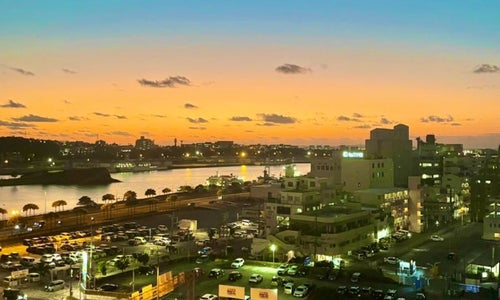
Rihga Royal Gran Okinawa (リーガロイヤルグラン沖縄)
旭町1-9, 那覇市, 沖縄県, 900-0029


The Naha Terrace (ザ・ナハテラス)
おもろまち2-14-1, 那覇市, 沖縄県, 900-0006

Getting Around
Naha is a compact city with a variety of transportation options that make it easy to navigate during your stay. Whether you’re planning to explore the bustling city center or venture towards the quieter outskirts, Naha’s accessible public transport and walkable streets provide a straightforward travel experience.
- Yui Rail (Okinawa Urban Monorail): The key public transportation system in Naha, covering major areas from Naha Airport to Shuri Castle, with a one-way fare ranging from around 230 to 330 yen. It’s convenient for quick trips across the city.
- Buses: While not as frequent as the Yui Rail, buses can take you to areas where the monorail doesn’t reach. A single ride typically costs around 240 yen, ideal for exploring deeper into Okinawa’s cultural spots.
- Walking: Many of Naha’s attractions are in close proximity, making walking one of the most enjoyable ways to soak in the city’s vibe, especially around Kokusai Street and Shuri.
What to Eat
The culinary scene in Naha is as vibrant and diverse as its culture, offering a delightful blend of traditional Okinawan flavors and influences from mainland Japan. Food in Naha often surprises with its hearty tastes and unique ingredients, reflecting a history shaped by trade and cultural exchange. Whether dining in cozy local eateries or bustling markets, visitors will find a feast for the senses.
Local dishes are a testament to Okinawa’s cultural richness, and no trip to Naha would be complete without sampling some of its signature treats. Here are some must-try items to savor during your visit:
- Okinawa Soba: A comforting noodle dish made with thicker wheat noodles and often topped with pork, available in most casual restaurants throughout the city.
- Goya Champuru: A stir-fry featuring bitter melon, often accompanied by tofu and pork, this is a staple dish found in many izakayas.
- Taco Rice: A unique Okinawan take on tacos, with seasoned ground beef served over rice, typically found in casual cafes and street stalls.
- Rafute: Slow-cooked pork belly in soy sauce and brown sugar, a classic Okinawan dish that offers a perfect taste of the region’s culinary tradition, found in homely diners.
- Orion Beer: The perfect way to cool down on a warm day, this local beer can be easily found at bars and convenience stores throughout Naha.
- Chinsuko: A traditional sweet biscuit often consumed as a snack or dessert, available at local markets such as Makishi Public Market.
Naha: Where Tradition Meets Tranquility
As visitors depart Naha, they often carry with them a tapestry of memories woven from vibrant markets, historical landmarks, and the gentle rhythm of island life. Naha stands out as a city where time-honored traditions gracefully merge with modern influences, offering a beautifully balanced adventure for any traveler. Each corner of the city unveils a story, from the whispers of its ancient castle walls to the aromas wafting through bustling street stalls.
For those who have wandered its streets, Naha remains a vivid, colorful memory—an iconic blend of culture and comfort that invites exploration without haste. The city’s intimate streets and dynamic cultural experiences have an undeniable charm that leaves visitors yearning for just a little more time. In Naha, the past gracefully coexists with the present, inviting every visitor to pause and appreciate the art of living well. Whether for a day, a weekend, or longer, Naha promises more than a visit; it offers a truly enriching journey.