Nara: A Curated Short-Trip Guide
Nara, with its serene atmosphere and profound cultural heritage, is Japan’s timeless treasure. The city enchants visitors with its unique blend of spiritual significance and natural beauty, making it a perfect destination for those seeking tranquility. From sacred deer roaming the parks to ancient temples that whisper stories of the past, Nara offers an authentic glimpse into the soul of traditional Japan.
For a short visit, Nara is ideal due to its compact size and walkable layout. The city’s well-preserved attractions are conveniently clustered, allowing travelers to explore at a gentle pace. It’s a place where you can soak in the ambiance without the hustle and bustle of larger cities. Whether you’re on a quick day trip from nearby cities or enjoying a leisurely weekend getaway, Nara promises a fulfilling experience in a manageable amount of time.


Getting There
Reaching Nara from abroad typically begins at Kansai International Airport (KIX), the closest major hub, with excellent train connections to the city. From the airport, take the Haruka Express to Tennoji Station, then transfer to the Yamatoji Line for a direct route to JR Nara Station. This journey usually takes around 90 minutes. Travelers can also opt for the Kintetsu Line from Osaka’s Namba Station for a seamless and scenic approach to Nara, taking around 40 minutes.
Alternatively, if you’re coming from Kyoto, the quickest way is via the Kintetsu Limited Express, which gets you to Kintetsu Nara Station in about 35 minutes. With frequent trains from both Osaka and Kyoto, day-tripping to Nara is easily manageable and offers convenient access to the city’s historical treasures.
Best Time to Visit
For a perfect trip to Nara, plan your visit during the spring months of March to May. This period offers pleasant weather and the enchanting sight of cherry blossoms lining the city’s parks and temple grounds. The combination of mild temperatures and colorful scenery makes outdoor exploration a delight, while not being overwhelmed by the larger crowds typical of major tourist spots.
Another excellent time is the autumn months of October to November, when the city’s landscape is painted with vibrant fall foliage. Visiting Nara during these months allows for a serene experience, with fewer tourists and cooler, comfortable weather conditions. Both seasons offer ample opportunity to enjoy Nara’s cultural offerings and the natural beauty surrounding its historical sites.
How Long Is Enough?
Spending 24 hours in Nara allows visitors to get a taste of the city’s charm, with enough time to explore the highlights, including a peaceful stroll amidst the iconic deer of Nara Park and a visit to the majestic Todai-ji Temple. Even in such a short span, you’ll absorb the serene atmosphere that sets Nara apart from its bustling neighbors, Osaka and Kyoto. The city’s accessibility makes it possible to connect deeply with its historical allure even on a tighter schedule.
With 48 hours, visitors can delve deeper into the cultural ambiance by exploring more of Nara’s quiet side streets and savoring authentic local cuisine. An additional day broadens the experience, allowing for visits to more contemplative spots like the scenic Yoshikien Garden or the lesser-known Kasuga-taisha Shrine. This extended time invites travelers to slow down, fostering a richer connection with Nara’s heritage.
For those captivated by Nara’s zen-like tranquility, staying three days or more lets you uncover deeper layers of the city’s ancient culture. This lengthier immersion affords leisurely exploration of the surrounding natural landscapes and participation in one of the many intimate festivals or tea ceremonies that embody Nara’s traditional spirit, providing a fuller appreciation of its timeless character.
Top Sights You Can’t Miss
Nara is a city steeped in history and cultural significance, often celebrated as the birthplace of Japanese civilization. Its compact nature makes it easy to navigate, ensuring visitors can enjoy its most illustrious sights without haste. The city’s deep connection to its Buddhist roots is evident in its remarkable temples and shrines, surrounded by lush greenery and friendly deer that symbolize the city’s unique harmony with nature.
- Todai-ji Temple: Home to the Great Buddha, this iconic temple is a marvel of ancient architecture and spiritual importance.
- Nara Park: Renowned for its free-roaming deer, offering an enchanting blend of wildlife and cultural sites in a single setting.
- Kasuga-taisha Shrine: Known for its thousands of lanterns, it’s a must-visit site reflecting centuries of Shinto tradition.
- Naramachi: This historic district offers charming tea houses and shops preserved from the Edo period, offering a glimpse into the past.
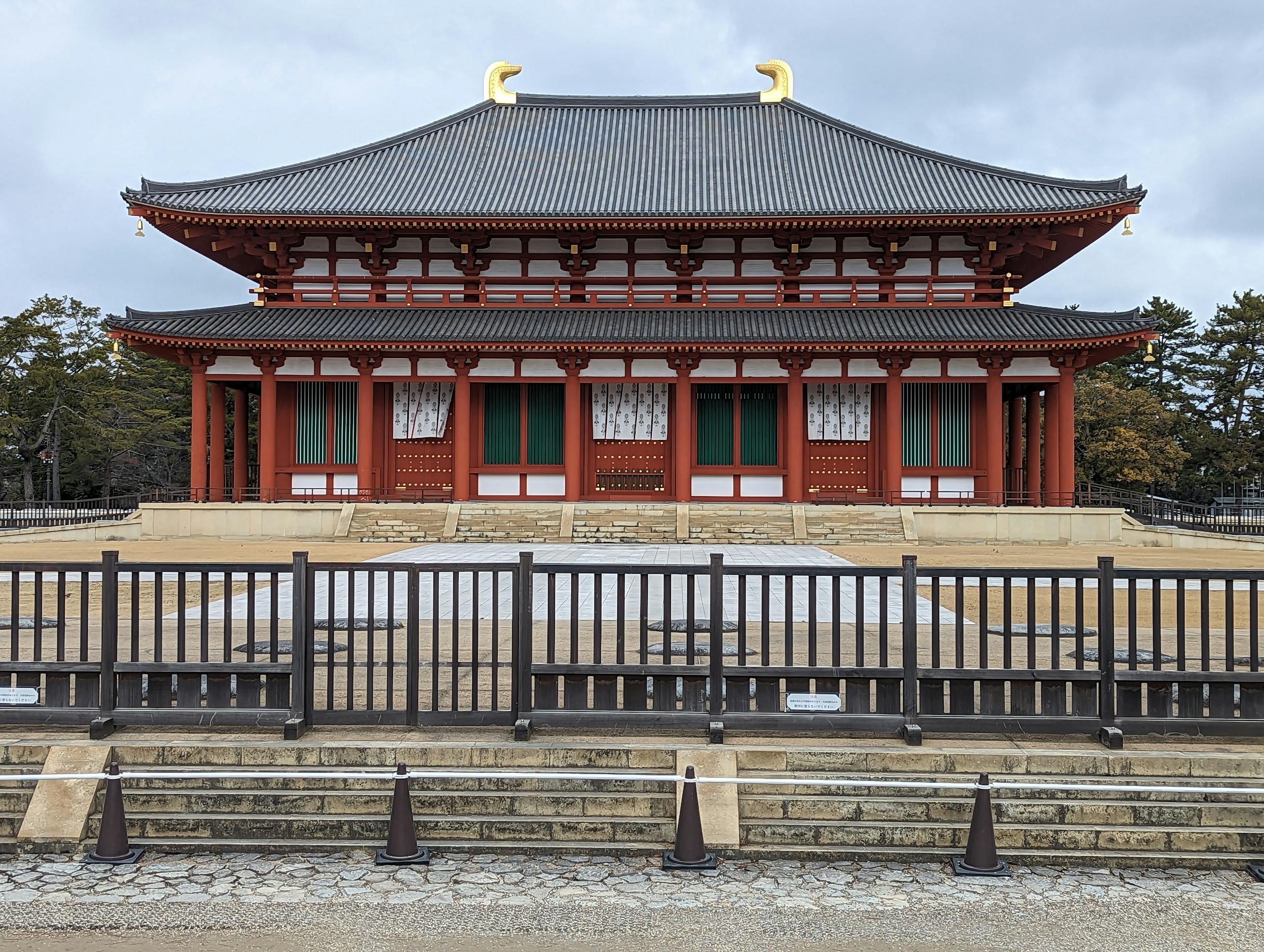
- Kofuku-ji Temple: A key feature of Nara’s skyline, its elegant pagodas are a testament to the city’s ancient spiritual heritage.
Got More Time?
If you find yourself with extra time in Nara, a deeper exploration awaits beyond the main attractions. Consider visiting Horyu-ji Temple, a short train journey from the city center. As the world’s oldest wooden structure, it offers an extraordinary glimpse into ancient architectural prowess and UNESCO World Heritage status.
For nature lovers, venture to Mount Wakakusa, where a trail provides a peaceful hike with panoramic views of the city. If your visit aligns with the Wakakusa Yamayaki festival, prepare for an unforgettable spectacle as the hill is set ablaze, illuminating the night sky. This less-traveled path reveals Nara’s serene natural beauty that complements your temple visits.
Lastly, indulge in a day trip to Yoshino, renowned for its stunning cherry blossom views in spring. This picturesque area is a living postcard and offers a relaxing escape into the rural landscapes of Japan. With easy train access, such excursions enhance your Nara experience, providing both cultural depth and scenic wonder.
Where to Stay
Choosing the right area to stay in Nara can significantly enhance your visit, offering convenient access to its historic sites and vibrant cultural allure. Nara City Center is an excellent choice for those eager to be at the heart of the action. Its proximity to top attractions like Nara Park and Todai-ji Temple ensures you’re never far from the city’s key highlights. The area also boasts a variety of shops and dining options, perfect for travelers who wish to explore local flavors and souvenirs.
If you prefer a quieter setting, consider staying in Naramachi. This charming district is lined with traditional wooden machiya houses and provides a more intimate and historical ambiance. Winding lanes filled with quaint cafes, boutique shops, and tea houses reveal a slower pace of life, inviting visitors to immerse themselves in the nostalgia of old Japan.
For those who enjoy being surrounded by nature, the area near Kasugayama Primeval Forest caters to a rustic escape with the convenience of easy transportation back to urban comforts. Staying in this area not only allows for peaceful walks through centuries-old woods but also provides a unique opportunity to experience Nara’s wildlife and serene landscapes away from the crowds.

スーパーホテルPremier JR奈良駅
三条本町1-2 (JR奈良駅NKビル 4F-10F), 奈良市, 奈良県, 630-8122

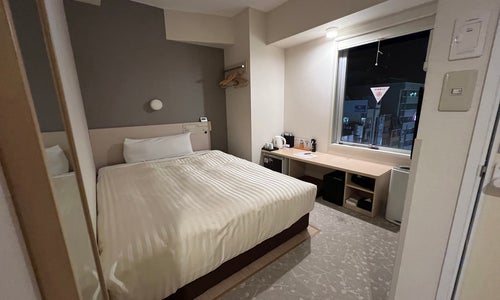
Super Hotel (スーパーホテルJR奈良駅前・三条通り)
三条町500-1, 奈良市, 奈良県, 630-8244

Piazza Hotel (ピアッツァホテル奈良)
三条本町11番20号, 奈良市, 奈良県, 630-8122

Getting Around
Nara’s compact size and excellent public transportation system make it easy to explore during a short stay. Whether you’re interested in walking through the scenic parks, hopping on a bus for longer distances, or renting a bike for some quicker sightseeing, getting around Nara is both straightforward and enjoyable.
- Walking: The city’s main attractions are within walking distance of each other, making walking the most pleasant way to explore. Enjoy the leisurely pace and the freedom to discover hidden corners and unique side streets.
- Bicycles: Many visitors opt to rent bicycles, taking advantage of reasonably priced rentals available from shops near the main stations. Cycling is an efficient way to cover more ground, especially if you plan to visit nearby temples and gardens.
- Buses: Nara’s comprehensive bus network connects key sites, particularly useful for accessing areas beyond walking distance, such as Horyu-ji Temple or Mount Wakakusa. Day passes are available, offering unlimited rides and affordability.
- Trains: For day trips, or exploring the outer limits of the city, trains provide fast and convenient service, with major lines connecting Nara to other cities and regional attractions smoothly.
What to Eat
Nara boasts a rich culinary landscape that reflects its deep historical roots and cultural nuances. The city is famed for its locally-sourced ingredients and traditional specialties, offering a taste of authentic Japanese cuisine. From hearty stews to delicate sweets, Nara’s food scene invites visitors to indulge in flavors that have been cherished for centuries.
With an emphasis on simplicity and seasonality, the local dishes in Nara provide not only nourishment but also a delightful understanding of the region’s lifestyle and traditions. Here are some must-try items during your visit:
- Kakinoha-zushi: This is sushi wrapped in persimmon leaves, offering a subtle aroma and taste. Often found at local markets and sushi shops, it’s a perfect snack while exploring the city’s sights.
- Nara Chagayu (Tea Porridge): This comforting dish combines rice simmered in green tea, a staple breakfast in many traditional inns and cafe-style restaurants around Nara.
- Miwa Somen: Thin, hand-stretched noodles served cold with a light dipping sauce, ideal for a refreshing meal during warmer months. Sample it at udon and soba eateries across the city.
- Yamato-no-shizuku: This is a famous sweet rice wine, deeply rooted in the region’s brewing tradition. Try this flavorful drink at sake bars or pair it with traditional meals at local restaurants.
- Narazuke: A unique variety of pickles made with sake lees, offering a distinct taste perfect for adventurous food lovers. These are often sold at specialty food stores throughout Nara.
Nara: A Timeless Encounter
Nara enchants with an ambiance of gentle reverence, inviting travelers to slow down and savor its tranquil beauty. As the ancient capital of Japan, the city gracefully preserves its historical identity while embracing the modern rhythms of life, creating an experience that feels both timeless and immediate. In every corner, from sacred temples to inviting streets, Nara whispers stories of a rich past and a warm present. This harmonious coexistence sets the city apart, making even a brief visit deeply fulfilling.
Amidst the casual elegance of Nara, visitors find a canvas painted with nature’s serenity and profound cultural grandeur. Wandering through its picturesque vistas and captivating landmarks, one discovers that Nara’s true allure lies not just in its sights but in the peaceful cadence that defines it. After a short stay, guests often leave with a refreshing sense of calmness, the memories of gentle deer and ancient pagodas etched warmly in their minds. The city’s unassuming charm offers a sanctuary of reflection that resonates long after the journey ends, continuing to inspire and delight upon return.