Santa Marta: Where the Sierra Nevada Meets the Caribbean
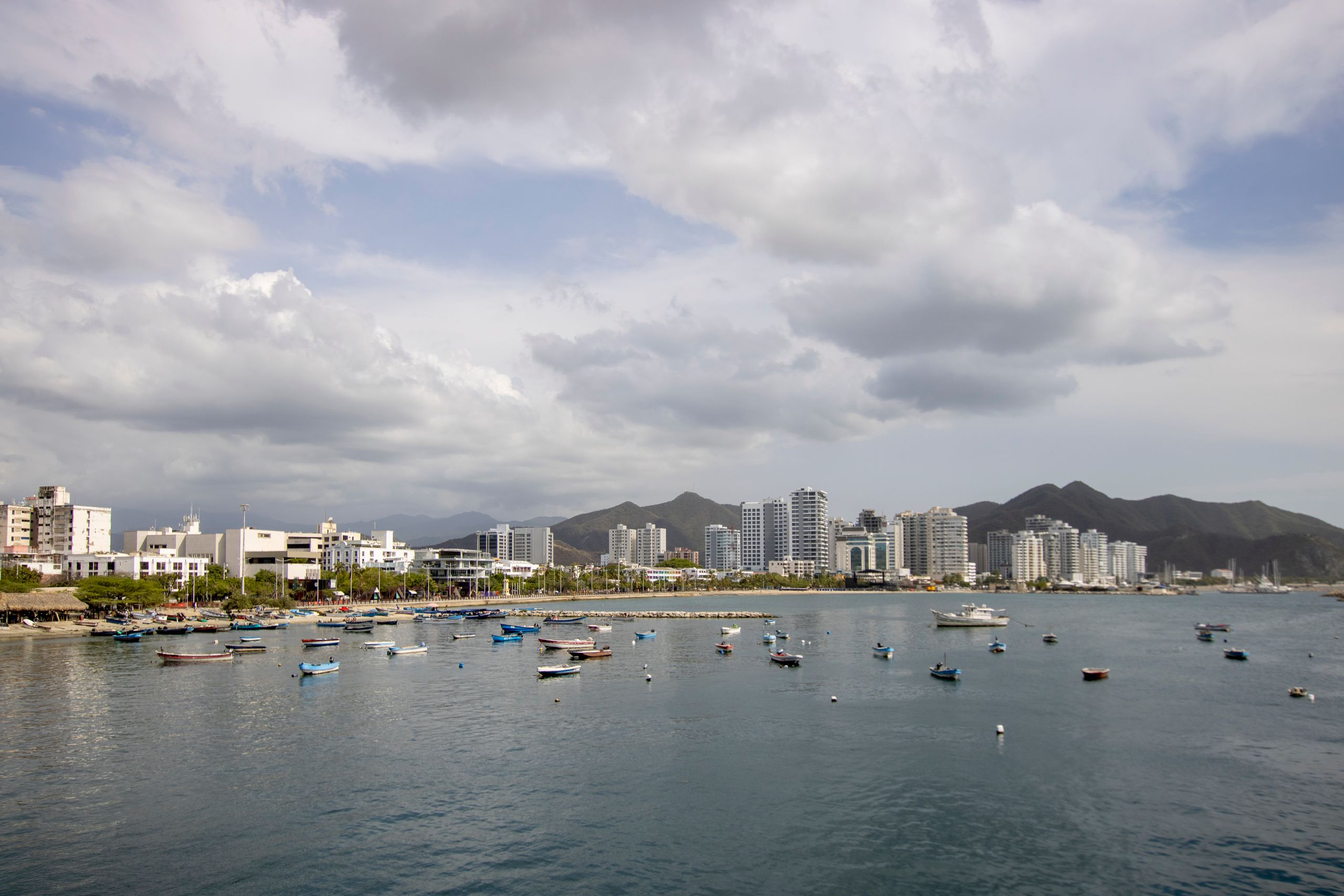
Sitting majestically on Colombia’s Caribbean coast, Santa Marta draws you in with its sun-soaked beaches, colonial charm, and a sense of vibrancy that radiates from its mosaic of cultures. Known as the gateway to adventure and natural beauty, this spirited city effortlessly mixes the buzz of its lively market streets with the tranquil atmosphere of its scenic surroundings. Imagine dipping into the warmth of its beaches by day and savoring local rhythms by night.
For the wanderer looking to capture Santa Marta’s essence in a short trip, the city unfolds as a perfect canvas of discovery. With its compact layout and pedestrian-friendly areas, it offers a seamless experience to explore without the rush. Whether you are watching the sunset splash colors over the Caribbean from its beaches or strolling through its historic neighborhood streets, Santa Marta’s beauty and spirit are wonderfully accessible.


Getting There
Reaching Santa Marta is a breeze, thanks to its well-connected transport network. Simón Bolívar International Airport is the main gateway for international travelers, offering regular flights from major Colombian cities like Bogotá, Medellín, and Cali. The airport is conveniently located just a 30-minute drive from the city center.
For those traveling by road, bus services from Bogotá or Medellín provide a budget-friendly option, with travel times ranging from 12 to 18 hours for an intercity adventure that showcases Colombia’s diverse landscapes. While Santa Marta doesn’t have train services, the coastal roadways promise an easily navigable route for those opting to drive in directly.
Best Time to Visit
Santa Marta boasts a warm, tropical climate year-round, making it an inviting destination no matter when you visit. However, the months from December to March are particularly ideal, as the weather is dry and pleasantly warm, perfect for beach outings and city exploration. This period also coincides with Colombia’s high tourist season, infusing the city with a lively atmosphere.
For those who prefer a quieter experience, consider visiting during the shoulder months of April or November, when the crowds thin out but the weather remains comfortably warm. Experience Santa Marta’s unique culture during the Fiesta del Mar, held annually in July, featuring maritime competitions and vibrant street parades.
How Long Is Enough?
A brisk 24 hours in Santa Marta allows you to soak in the essentials. In just one day, the city’s colonial charm can be experienced by wandering its historic streets, relaxing on nearby beaches, and sampling local cuisine at a vibrant marketplace. The compact nature of the city center makes it easy to navigate and absorb the local ambiance in a short time frame.
Spending 48 hours in Santa Marta deepens your connection to the city. With two days, you can blend city life with nature, by exploring the historic quarters and venturing to nearby ecological reserves like Tayrona National Park for a trek. The added day provides opportunities to delve into Santa Marta’s thriving nightlife or sample more of its culinary diversity.
For a richer experience, a three to four-day stay is ideal. This timeframe allows for a leisurely pace to explore hidden beaches, cultural museums, and even a day trip to the nearby coffee plantations or the Lost City, adding layers to your understanding of this vibrant coastal hub. A longer visit gives time to appreciate the rhythm of Santa Marta beyond the usual tourist path.
Top Sights You Can’t Miss
Santa Marta enchants visitors with its blend of historical richness and natural beauty. As Colombia’s oldest surviving city, it provides a fascinating look into the country’s colonial past while being surrounded by breathtaking landscapes. Whether you’re drawn to its sandy shores or intrigued by its cultural depths, Santa Marta offers a variety of sights that capture the essence of its tropical allure.
Its key attractions provide an ideal window into the life and history of the Caribbean coast, all while offering convenient access from the city center. Here’s a curated list of must-see sights in Santa Marta:
- Parque de los Novios: A vibrant plaza known for its buzzing atmosphere, offering a perfect spot to relax and people-watch.
- Quinta de San Pedro Alejandrino: This historic hacienda is where Simón Bolívar spent his final days, offering deep insights into the country’s storied past.
- Tayrona National Park: Encompassing stunning beaches and lush rainforest, this park offers both adventure and tranquility just a short drive away.
- Santa Marta Cathedral: As one of Colombia’s oldest churches, its beauty and history provide a peaceful retreat in the heart of the city.
- Museo del Oro Tairona: This museum houses fascinating artifacts that shed light on the region’s indigenous cultures before Spanish colonization.
Got More Time?
If your schedule allows for some extra days, Santa Marta and its surroundings are ripe for further exploration. Embark on a journey to the Lost City (Ciudad Perdida). This archaeological wonder in the Sierra Nevada is considered one of the most significant pre-Columbian sites in South America. The multi-day trek is challenging yet rewarding, concluding with the astonishing sight of this ancient city nestled in lush jungles.
For those with an interest in ecosystems, venture into Minca, a lush mountain village located just a short drive from Santa Marta. Known for its stunning waterfalls, birdwatching opportunities, and organic coffee farms, Minca offers a refreshing escape into nature. Here, you can hike the verdant trails or partake in a tour of the local coffee plantations, coupling leisure with an educational experience.
If beach-hopping is on your agenda, explore the secluded Playa Cristal, a hidden gem within Tayrona National Park, renowned for its crystal-clear waters ideal for snorkeling and relaxation. Alternatively, head to Taganga, a nearby fishing village known for its laid-back vibe, where diving excursions reveal the vibrant underwater world of the Caribbean Sea.
Where to Stay
Choosing where to stay in Santa Marta can significantly shape your travel experience, with each neighborhood offering its own unique flavor. El Centro, the city’s historic downtown, is a vibrant choice for those who want to be at the heart of the action. Here, the colonial architecture, bustling streets, and proximity to major attractions create a lively atmosphere day and night. It’s perfect for travelers looking to immerse themselves in local life, with easy access to museums, cafes, and the waterfront promenade.
For a more laid-back coastal experience, consider staying in Rodadero. Popular for its picturesque beaches and family-friendly vibe, this district offers a serene escape with a focus on sun and sand. Enjoy the gentle crash of waves just steps from your accommodation, paired with the convenience of beachfront restaurants and shops. It’s an ideal location for those looking to unwind and savor the Mediterranean-like resort atmosphere.
Meanwhile, Taganga appeals to those seeking a bohemian atmosphere and outdoor adventures. Known for its stunning sunsets and vibrant diving scene, this quaint fishing village provides close-knit community experiences. Backpackers and adventure-seekers will appreciate the rustic charm of its accommodations and the opportunity to dive into the colorful reefs or hike through the surrounding hills.
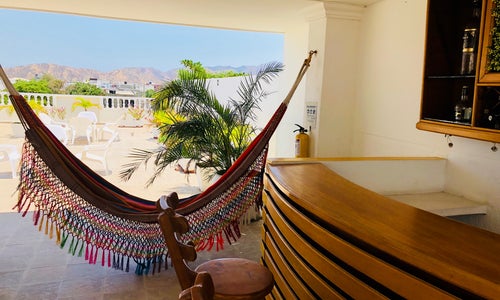
Hotel San Miguel Imperial
Calle 21 No 6 - 96, Santa Marta, Magdalena


Casa De Leda Kali Hotel
Calle 18 Nro 4 - 38, Santa Marta, Magdalena

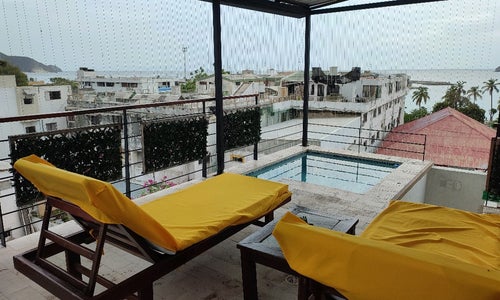
Hotel Boutique Casa de Isabela
Cra 2 #19 - 20, Santa Marta, Magdalena
Getting Around
Getting around Santa Marta is relatively straightforward, thanks to its compact layout and diverse modes of transportation that cater to both tourists and locals. Whether you’re in the city center or venturing to nearby attractions, several convenient options will ensure you travel efficiently.
- Walking: The most enjoyable way to explore the historic center and local neighborhoods is on foot, allowing you to soak in the local ambiance and discover hidden gems along the way.
- Taxis: Readily available and reasonably priced, taxis offer a convenient option for getting to and from the airport or traveling at night. Fares are generally negotiated beforehand; around $10,000 to $15,000 COP for short distances within the city.
- Buses and Colectivos: These are an affordable way to reach areas like Rodadero and beyond, with fares costing around $2,000 COP. They’re best for those looking for a budget-friendly option to explore the city and nearby towns.
- Motorcycle Taxis (Mototaxis): These are particularly useful for quick trips, especially in congested areas. They provide a swift and adventurous way to navigate the city, especially in busy traffic.
What to Eat
The culinary landscape of Santa Marta is a delightful reflection of its cultural diversity and rich heritage. The city’s food scene draws heavily from its coastal location, offering fresh seafood intermingled with vibrant flavors that pay homage to its indigenous, African, and Spanish influences. From savory street food to hearty traditional dishes, Santa Marta is a haven for food lovers eager to explore authentic Colombian cuisine.
Whether you’re eating at a bustling local market or a laid-back beachfront restaurant, the culinary options are endless. Here are some must-try delicacies that capture the essence of Santa Marta.
- Arepas de Huevo: A crispy, deep-fried corn cake filled with a perfectly cooked egg, often found at street stalls and local breakfast spots. It’s a staple that offers a quick, flavorful bite.
- Ceviche de Camarones: Fresh shrimp marinated in citrus juices, mixed with onions, cilantro, and a touch of spicy pepper. Typically enjoyed as a refreshing appetizer along the beach.
- Mote de Queso: A traditional soup featuring local cheese and yam, offering a creamy, comforting taste. It’s typically served in casual eateries and showcases the region’s unique flavors.
- Arroz con Coco: This coconut rice side dish pairs exceptionally well with fish, found in many surfside restaurants. The sweet and savory blend is a Caribbean favorite.
- Patacones: Fried plantain slices that are crispy on the outside, soft on the inside. They’re commonly served as a side dish or snack at both upmarket and street-side eateries.
- Agua de Panela: A popular, refreshing drink made from unrefined cane sugar and lime. Served cold, it’s the perfect accompaniment to Santa Marta’s warm climate, often available at cafes and local food stands.
Santa Marta: A Mosaic of Memories
Santa Marta leaves an indelible impression on those who venture into its vibrant blend of culture, history, and nature. Nestled between the mountains and the sea, this city offers more than just picture-perfect landscapes; it invites you to discover the rhythms of life on Colombia’s Caribbean coast. Every corner of Santa Marta whispers tales of its storied past while beckoning you to explore the richness of its present.
Recalling a visit here often evokes a sensory collage: the salty air of its beaches, the colonial hues of its architecture, and the warm aroma of its lively markets. What makes Santa Marta extraordinary is not just its beautiful vistas but its ability to merge the straightforward joys of seaside living with the depth of cultural exploration. It’s a place where simplicity meets sophistication, and the warmth of its people makes every encounter memorable. Whether it’s for its robust flavors or its breathtaking sunsets, Santa Marta stands out as a destination that effortlessly marries relaxation with adventure, making it a cherished stop on any traveler’s journey through Colombia.