Milan: Italy’s Capital of Design and Aperitivo
Milan is a city where modernity meets history, fashion flirts with art, and the hustle of business blends seamlessly with the leisurely pace of beautiful cafes. A stylish metropolis known for its iconic fashion scene and monumental architecture, Milan charms visitors with a harmonious blend of the contemporary and the classic. From bustling streets to serene parks, the city resonates with an unmistakably vibrant rhythm that encapsulates both the past and the present.
Perfectly suited for a short getaway, Milan’s compact layout and efficient public transport make it easy to explore. With many attractions within walking distance, visitors can comfortably immerse themselves in Milan’s chic ambiance. Whether you’re wandering its stylish streets or sampling its delectable cuisine, Milan offers a delightful escape, ensuring a memorable experience with every stroll.


Getting There
Reaching Milan is straightforward, with multiple options to suit every traveler. Milano Malpensa Airport (MXP) is the primary international gateway, located about 50 kilometers northwest of the city center. It serves numerous airlines from all over the globe, providing direct connections to major cities. Linate Airport (LIN) is closer to the city and mostly handles domestic and short-haul flights around Europe.
For those traveling by train, Milano Centrale is the main railway station and a hub for high-speed trains such as the Frecciarossa, connecting Milan with other Italian cities like Rome, Florence, and Venice in just a few hours. Alternatively, budget travelers can opt for Milano Bergamo Airport (Orio al Serio), favored by low-cost carriers, with convenient bus transfers taking about an hour to reach the city.
Best Time to Visit
The ideal time to explore Milan is during the spring (April to June) and fall (September to October) when the weather is comfortably mild and the city is vibrant with fewer tourists. These periods offer pleasant temperatures for sightseeing and exploring the stylish streets without the intense summer heat or winter chill.
During these months, you can experience the city’s rich cultural scene with events like Milan Fashion Week in September, which showcases the latest trends and attracts fashion enthusiasts from all over the globe. Spring in Milan is a delight, with blooming parks and gardens adding a splash of color to your visit.
How Long Is Enough?
For travelers with limited time, 24 hours in Milan offers a taste of the city’s energy and style. You can absorb the elegant architecture in the historic center and enjoy a leisurely stroll through the chic shopping districts, all while sipping an espresso in a charming cafe. This brief visit allows for a glimpse into Milan’s fashionable heartbeat.
With 48 hours, Milan reveals deeper layers of its artistic and cultural essence. Spending more time means you can explore the main museum district and perhaps catch a show or concert in the evening, enhancing your cultural appreciation. The city’s walkability makes it easy to navigate, and the extended experience offers a more relaxed pace to digest Milan’s offerings.
For those with a longer itinerary, say three to four days, Milan’s character unfolds in even richer detail. This duration allows one to venture into diverse neighborhoods and enjoy the local dining scenes, immersing in more of the city’s dynamic life. A longer stay ensures a more comprehensive understanding of Milan’s multifaceted charm.
Top Sights You Can’t Miss
Milan, a city that blends historical grandeur with modern creativity, offers a plethora of iconic sights that capture its essence. Whether you’re drawn to its rich artistic heritage, monumental architecture, or cutting-edge fashion scene, Milan provides numerous opportunities to delve into its vibrant culture and storied past. Each attraction is either within the historical center or easily accessible, making for an enjoyable exploration of what makes Milan uniquely captivating.
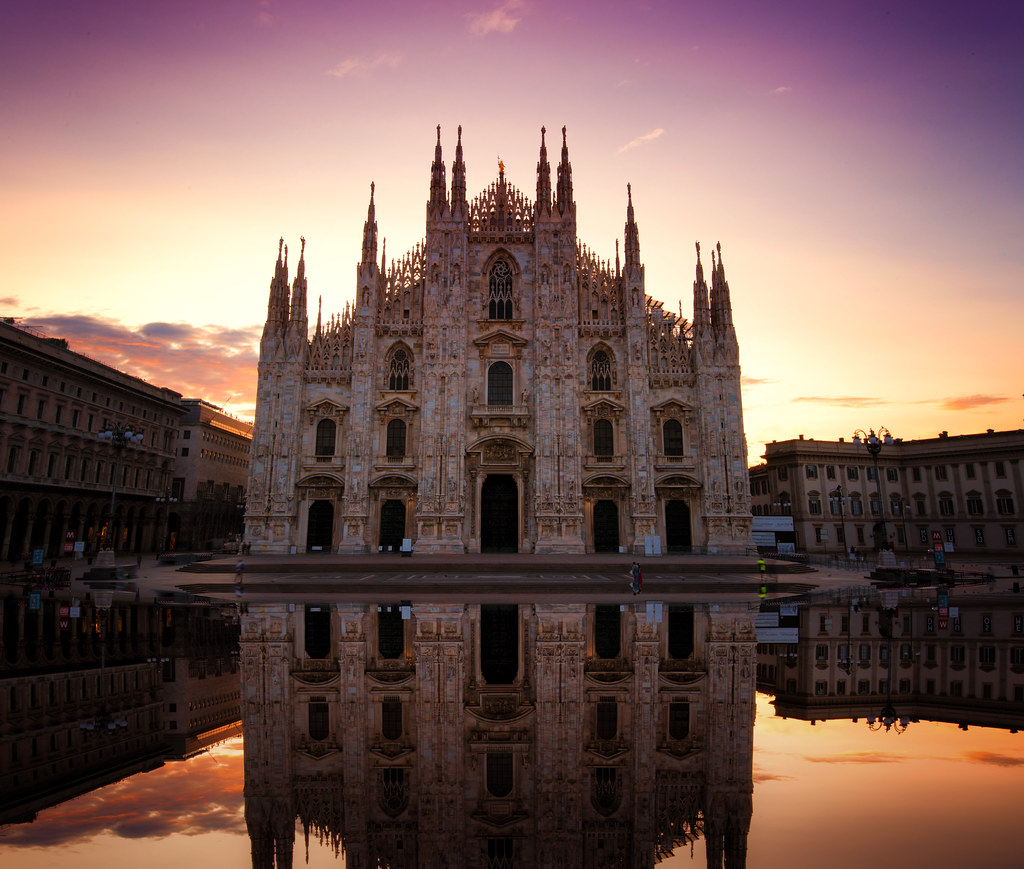
- Duomo di Milano: A stunning example of Gothic architecture, this cathedral is a must-visit for its breathtaking facade and panoramic views from the rooftop.
- Galleria Vittorio Emanuele II: As one of the world’s oldest shopping malls, it’s renowned for its elegant design and luxury boutiques.
- Teatro alla Scala: The world-famous opera house is essential for culture lovers, hosting exceptional performances in a grand setting.
- Castello Sforzesco: A historic castle housing several museums, offering insights into Milan’s artistic and military past.
- Santa Maria delle Grazie: Home to Leonardo da Vinci’s ‘The Last Supper’, it’s a masterpiece of Renaissance art.
- Brera District: An area known for its artistic flair, lined with galleries, cozy cafes, and a bohemian atmosphere.
Got More Time?
If your schedule allows for extra exploration, Milan has plenty more to offer beyond the main attractions. Navigli District is a charming area best experienced in the late afternoon or evening. Known for its canals designed by Leonardo da Vinci, it comes alive with vibrant nightlife, eclectic shops, and spirited street markets. Strolling along the waterways offers a unique perspective on the city’s diverse character.
Consider a short train ride to Lake Como for a picturesque escape into nature. Just an hour away, this stunning alpine lake surrounded by mountains provides breathtaking scenery and an opportunity for relaxation amidst beautiful villas and quaint villages. Another fascinating excursion is a trip to the Bergamo, with its historic city center that combines medieval attractions with panoramic views.
For those interested in fashion and design, the Quadrilatero d’Oro offers a more in-depth journey into the world of Milanese style. This luxury district is teeming with flagship stores and designer ateliers that define Milan as a global fashion capital. Spending additional days here can deepen your appreciation of Milan’s creative pulse.
Where to Stay
Choosing the right neighborhood to stay in Milan can enrich your experience of the city. Brera is a fantastic choice for art lovers and those seeking a romantic atmosphere. Known for its artistic heritage, this district is filled with galleries, traditional eateries, and cobbled streets that create an intimate, charming vibe.
If you want to be at the heart of Milan’s action, consider staying in Centro Storico. It’s the best location for first-time visitors aiming to explore major landmarks such as the Duomo and Galleria Vittorio Emanuele II. While more touristy, it places you amid the city’s major attractions, and everything is within walking distance, providing convenience and a bustling city vibe.
For a more modern and dynamic atmosphere, Porta Nuova offers an exciting blend of cutting-edge architecture and vibrant nightlife. It’s a newly developed business district featuring impressive skyscrapers and sleek spaces. Its close proximity to central transport hubs makes it convenient for exploring the rest of Milan and beyond.
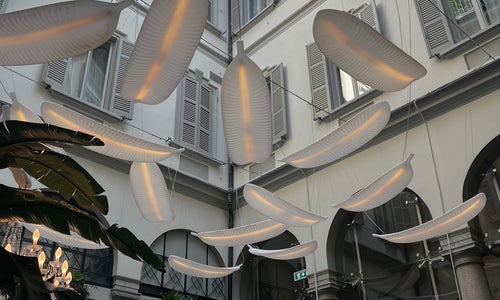
Hotel Indigo Corso Monforte
Corso Monforte 27, 20122 Milano Lombardia

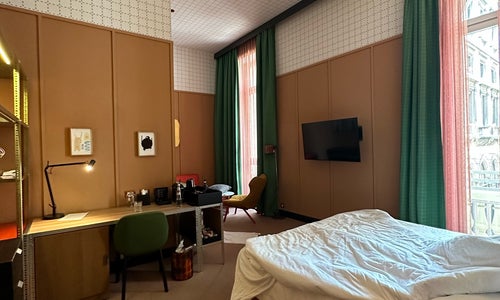
Room Mate Giulia Hotel
Via Silvio Pellico 4, 20121 Milano Lombardia
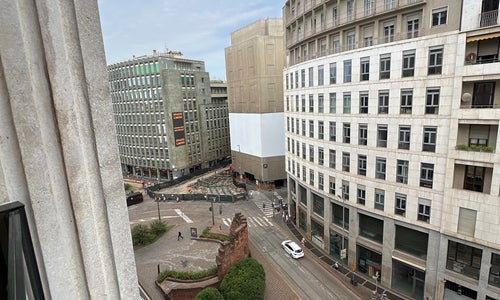
Hotel The Square Milano
Via Alberigo Albricci 2/4, 20123 Milano Lombardia
Getting Around
Milan’s compact size and efficient public transportation make getting around the city straightforward for visitors. Whether you prefer the ease of public transit or exploring on foot, there are convenient options to suit every traveler’s needs.
- Metro: The Milan Metro is the fastest way to navigate the city. With four main lines covering extensive routes, it’s particularly useful for reaching areas like Porta Nuova quickly. Metro tickets are affordable, with options for single rides or day passes for unlimited travel.
- Trams and Buses: This alternative offers scenic routes, ideal for leisurely sightseeing. They cover neighborhoods not directly served by the metro and are part of the same ticketing system, ensuring cost-effective travel across different modes.
- Walking: Many of the city’s highlights are within easy walking distance in the Centro Storico and Brera, making walking both a pleasant and practical way to absorb the local atmosphere.
- Bikesharing: For a more eco-friendly approach, Milan’s bikesharing services provide flexible options to explore the city at your own pace, especially enjoyable in districts like Navigli.
What to Eat
Milan offers a delightful culinary landscape that reflects both its northern Italian roots and cosmopolitan flair. The city’s dining scene is famously diverse, from traditional trattorias to upscale gastronomy, providing a feast for any palate. Whether indulging in comforting classics or exploring innovative fusion dishes, Milan’s gastronomic offerings promise a memorable experience.
Exploring the local food is a journey in itself, offering a taste of Milan’s rich heritage and modern culinary creativity. Here are some must-try dishes and drinks that define the Milanese food scene.
- Risotto alla Milanese: A creamy saffron-infused risotto unique to the city, widely served in traditional local restaurants.
- Cotoletta alla Milanese: This breaded veal cutlet is akin to a schnitzel, often enjoyed at both cozy trattorias and upscale eateries.
- Panettone: Especially popular during the festive season, this sweet bread loaf filled with candied fruit is found in bakeries and cafes year-round.
- Ossobuco: A slow-cooked veal shank dish, typically paired with risotto, present in many classic Milanese menus.
- Negroni Sbagliato: A local twist on the classic Negroni, made with sparkling wine, offering a refreshing aperitif option available in numerous bars.
Milan Moments: The Lasting Impression
Milan, a seamless blend of antiquity and innovation, leaves an indelible mark on those who wander through its storied streets. It’s a city where Renaissance art coexists with towering skyscrapers, and where the hum of modern life is ever-present against a backdrop of timeless beauty. Milan’s allure lies in its effortless fusion of the old and the new, captivating visitors with dynamic experiences that are vividly remembered long after the journey ends.
For many, the essence of Milan is encapsulated in its vibrant pace and its ability to encapsulate Italy’s rich heritage while embracing the future. In a short stay, visitors uncover layers of culture, fashion, and gastronomy, all of which weave together to tell the story of a city that thrives on reinvention. Whether it’s the sight of the majestic Duomo or the taste of a perfectly prepared risotto, Milan offers moments of wonder that resonate deeply, leaving a lasting appreciation for its unique character.