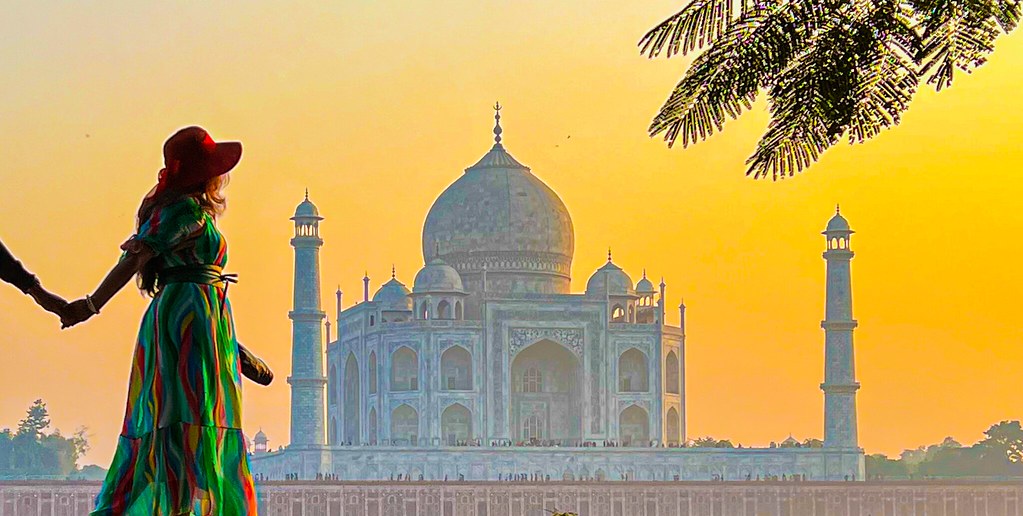
Agra: The Taj at Dawn, and Everything After
Welcome to Agra, a city where timeless beauty and profound history intertwine seamlessly. Known globally for its *mesmerizing architecture* and rich cultural tapestry, Agra offers travelers an experience steeped in art and tradition against the backdrop of vibrant local life. The city’s charm lies in its ability to transport you to an era of majestic fortresses and serene gardens, all nestled within the noise and warmth of daily street activities. Agra is, indeed, a canvas painted with the hues of its glorious past and its bustling present.
Agra makes for a delightful short getaway. With its *compact layout and walkable streets*, you’ll find that exploring the monumental to the minute can be enjoyed without feeling rushed. The winding lanes, lined with delicious street food vendors and local handicraft stalls, make it easy for visitors to immerse themselves in the city’s rhythm at a relaxed pace. It’s an ideal destination for those craving both the splendor of monumental sights and the joy of discovering local nuances within a limited timeframe.


Getting There
Agra is easily accessible from major cities worldwide, with Indira Gandhi International Airport in New Delhi being the nearest major international gateway. From the airport, travelers can opt for a quick domestic flight to Agra Airport or embark on a picturesque road journey spanning around 3-4 hours via the Yamuna Expressway.
Additionally, Agra is well-connected by India’s extensive railway network. The city’s main station, Agra Cantt, receives direct high-speed trains like the Gatimaan Express and Shatabdi Express from New Delhi, offering a comfortable 2-hour rail experience. Whether opting for the skies or the tracks, reaching Agra is both straightforward and flexible.
Best Time to Visit
Agra is most delightful during the winter months from November to February, when the weather is cool and pleasant for exploring the city’s magnificent attractions. This period offers a comfortable climate, perfect for leisurely walks around heritage sites without the sun’s intensity. It’s the high tourist season, ensuring lively events and a bustling atmosphere.
For those preferring fewer crowds, visiting in October or March can be equally rewarding. The mercury levels remain favorable, and you’ll find the city a little less packed, making it an ideal time for those seeking a more relaxed visit. The Taj Mahotsav festival in February is a highlight, showcasing local arts, crafts, and cuisine, providing an authentic cultural experience.
How Long Is Enough?
Agra can be whirlwinded in a 24-hour visit. Within a day, you can witness the iconic Taj Mahal at sunrise and explore the historic Agra Fort, capturing the essence of the city’s architectural marvels. This brief stint allows for a refreshing taste of Agra’s visual grandeur, suitable for those with tight schedules yet yearning for cultural immersion.
Spending 48 hours in Agra transforms your experience, allowing for a more laid-back exploration of lesser-known gems like the serene Mehtab Bagh and the charming local bazaars. This extended time gives you the luxury to savor local delicacies at your pace, such as the delectable petha and spicy chaat, enriching your understanding of Agra’s diverse character.
For those able to commit even more time, a three-day stay in Agra offers profound depth. Beyond sightseeing, this duration invites you to partake in a local cooking class or enjoy a cultural performance, providing insights into traditional customs and everyday life. The extended stay fosters a deeper connection with Agra, rewarding visitors with a comprehensive appreciation of its heritage and modern vibrance.
Top Sights You Can’t Miss
Agra is a treasure trove of history and architectural brilliance, drawing in countless travelers eager to marvel at its world-renowned monuments. This city offers a glimpse into a bygone era where grandiose palaces and mighty forts narrate tales of love, power, and legacy. With its array of stunning attractions, Agra promises an unforgettable journey for enthusiasts of history, art, and culture.
- Taj Mahal: Iconic symbol of love, this marble wonder is a must-see for its breathtaking beauty and craftsmanship.
- Agra Fort: An impressive red sandstone fort offering panoramic views of the Taj, it’s a testament to the Mughal empire’s grandeur.
- Mehtab Bagh: A tranquil garden oasis across the Yamuna River, perfect for a serene view of the Taj Mahal at sunset.
- Fatehpur Sikri: A UNESCO World Heritage site, this abandoned city boasts remarkable architecture and a unique glimpse into Mughal court life.
- Itimad-ud-Daulah’s Tomb: Often referred to as the ‘Baby Taj,’ this exquisite mausoleum is renowned for its intricate marble inlay and decorative artistry.
Got More Time?
If your schedule allows, Agra has plenty more to offer beyond its monumental highlights. A visit to the Tomb of Akbar the Great in Sikandra is worthwhile, where the combination of Mughal architecture and serene gardens provides a peaceful escape. Those intrigued by Mughal history will find this mausoleum a fascinating study in symmetry and design.
Adventurous travelers might enjoy venturing slightly further to explore Keoladeo National Park in Bharatpur, a UNESCO World Heritage site. Renowned for its rich biodiversity, it’s a bird watcher’s paradise, especially during the migratory season. This unique day trip offers a refreshing diversion from Agra’s historical sites.
For those inclined towards more leisurely pursuits, wandering through the colorful bazaars of Agra can unearth beautiful handmade crafts. Kinari Bazaar is particularly famous for textiles and jewelry, offering a sensory experience of sights and sounds unlike anywhere else in the city. Taking the time to roam these local markets adds a vibrant layer to any Agra itinerary.
Where to Stay
Choosing the right area to stay in Agra depends on what type of experience you’re seeking. For first-time visitors, staying in Taj Ganj is a top recommendation. This lively area is not only close to the Taj Mahal, limiting travel time, but it also offers a wide range of accommodations suited to any budget. With its vibrant mix of cafés, rooftop views, and shops, Taj Ganj captures the essence of Agra’s thriving tourist scene, allowing you to be in the heart of it all.
Alternatively, the Fatehabad Road area offers convenience and comfort with its proximity to several key attractions and its array of modern amenities. Known for its bustling atmosphere, this precinct houses some of the city’s upscale establishments and is an excellent base for enjoying Agra’s culinary and shopping delights. It’s a seamless blend of modernity with cultural attractions within easy reach.
For a more tranquil stay, consider the Dayalbagh neighborhood. This area provides a serene retreat away from the more crowded tourist zones while still being accessible. Known for its peaceful surroundings and the stunning Dayalbagh Gardens, staying here offers a restful escape and an opportunity to experience Agra at a gentler pace.
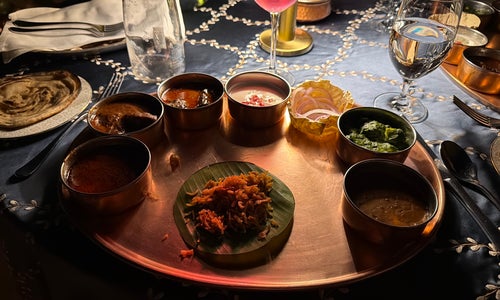
The Oberoi Amarvilas
Taj East Gate Road, Āgra 282001, Uttar Pradesh

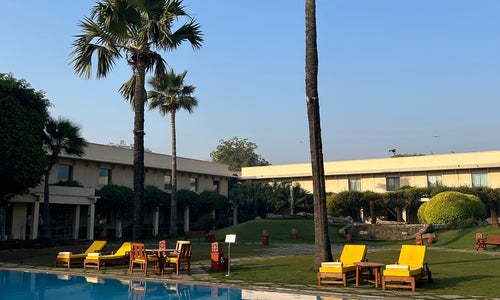
Trident
Fatehabad Road, Āgra 282001, Uttar Pradesh

DoubleTree by Hilton Hotel Agra
B/H - 1&2, Taj Nagri Phase II, Āgra 282001, Uttar Pradesh

Getting Around
Navigating Agra is manageable with several convenient options available for travelers. From budget-friendly modes to more comfortable yet economical choices, moving around the city allows you to explore its historical wonders with ease.
- Auto Rickshaws: Abundantly available and cost-effective, auto rickshaws are perfect for short hops between attractions. While fares are negotiable, a typical ride within the city should cost around 50-150 INR depending on the distance.
- Taxis and Ride-Sharing Apps: For a more comfortable and private journey, app-based services like Uber or local cabs offer reliable options. Ideal for longer distances or if you’re traveling with heavy luggage, fares are usually metered and competitive.
- Bicycle Rickshaws: A charming mode for short distances, especially within the historical precincts or markets. They offer a leisurely pace to take in the surroundings, with trips costing between 20-50 INR.
- Public Buses: For those familiar with Indian bus systems, local buses provide an economical way to commute. They cover most major routes but can be crowded; hence, they’re best used for longer journeys within or outside Agra.
What to Eat
Agra’s culinary landscape is as rich and layered as its architectural heritage. Famous for sweet treats and savory delights, the city offers a unique gastronomic experience that draws food lovers from far and wide. From bustling street stalls to cozy eateries, Agra provides a flavorful adventure with each alley offering something new to try.
Exploring Agra’s food scene is incomplete without indulging in its array of local specialties. The city’s vibrant markets and small restaurants are teeming with dishes that cater to the curious palate and promise an authentic taste of North Indian cuisine.
- Petha: A traditional sweet made from ash gourd, often found in various flavored versions. Panchi Petha is the go-to place in Agra for this delectable treat.
- Bedai and Jalebi: A popular breakfast combination of spicy lentil-stuffed bread served with a side of sweet, crispy jalebi. Try these at local street stalls in Jama Masjid area.
- Dalmoth: A spicy lentil snack perfect for munching. Available in most markets and specialty stores across Agra, it’s a favorite among locals and tourists alike.
- Mughlai Cuisine: Agra boasts rich Mughlai dishes; curries and kebabs that reflect the city’s royal past. For a taste, visit Pinch of Spice for its highly acclaimed offerings.
- Chaat: This tangy snack is a must-try, especially at the chaotic yet charming Sadar Bazaar, where different varieties of chaat are served fresh and spicy.
Agra: The Timeless Mosaic
Agra is a city that lingers in the memory long after the journey has ended. Known primarily for the surreal beauty of the Taj Mahal, its allure goes beyond just this enchanting monument. A city rich in its contrasts, Agra combines the historical and the modern, the sacred and the everyday, each aspect flowing into the other with seamless grace. It’s a place where the immortal stories of an imperial past meet the dynamic heartbeat of contemporary life.
For those who venture within its embrace, Agra offers a tapestry of unforgettable experiences set to the rhythm of the Yamuna River. From the resonant arches of the Agra Fort to the bustling lanes of its vibrant bazaars, the city’s character unravels with every step taken. Visitors who depart will always carry with them the echo of its architectural whispers and the warm smiles of its people. It’s these layers of history and humanity that ensure Agra remains not just a destination, but a timeless mosaic of experiences that beckon travelers to return.