Luxor: Essential Highlights for a Memorable Visit
Welcome to Luxor, a city where the ancient and the modern coexist seamlessly, offering a unique glimpse into Egypt’s storied past. Nestled on the banks of the Nile, Luxor is often referred to as the world’s greatest open-air museum, capturing the imagination of explorers with its majestic temples and tombs. The city’s magical atmosphere is alive with the persistent whispers of history, creating a timeless vibe that draws visitors from every corner of the globe.
Whether you’re planning a short getaway or a longer stay, Luxor’s compact layout and rich offerings make it an ideal destination for any traveler. The city is easily navigable by foot or local transport, lending itself to leisurely explorations. Expect to bask in the warm Egyptian sun, as you traverse the city’s charming streets and prepare to be enchanted by an array of incredible experiences that won’t demand all your time, yet promise to leave lasting memories.


Getting There
Reaching Luxor is a breeze, with several convenient options available for travelers. The most straightforward method is to fly directly into the Luxor International Airport (LXR), which hosts flights from various international and domestic destinations. For those traveling from Cairo, daily flights offer a swift journey of about an hour, making air travel a favored route.
If you prefer the scenic route, taking a train from Cairo is an excellent choice. The Cairo Ramses Station connects to Luxor via the efficient Egyptian National Railways. The overnight sleeper train is a popular option, providing a comfortable and budget-friendly travel experience in approximately 10 hours.
Best Time to Visit
Luxor boasts a hot desert climate, making the months between October and April the best time for a visit. During this period, the temperatures are more moderate, providing comfortable conditions for exploring outdoor attractions without the searing heat of the summer months. These months are ideal for a quick trip, as they allow you to leisurely roam the ancient sites during the cool mornings and evenings.
Visiting in December or January offers the added benefit of lower crowds, as these months fall outside the peak tourist season. The Luxor Marathon, held annually in January, is a unique event attracting runners from around the globe. This cultural event not only adds a lively atmosphere but also offers a distinctive experience amidst the backdrop of historical monuments.
How Long Is Enough?
In just 24 hours, travelers can immerse themselves in some of Luxor’s most iconic sites, such as the splendid Karnak Temple and the captivating Luxor Museum. This brisk tour offers a tantalizing taste of Egypt’s enchanting history and the charm of this once formidable capital. Given Luxor’s compact layout, it’s possible to cover considerable ground with ease, capturing the essence of the city through its well-preserved relics.
With 48 hours at your disposal, the deeper layers of Luxor begin to reveal themselves, blending historical splendor with local culture and leisurely Nile-side promenades. This timeframe allows for more relaxed exploration and enriches one’s appreciation of Luxor’s breathtaking temples, such as the mortuary complex of Hatshepsut. A longer stay, ideally up to 4 days, affords the luxury of delving into day trips, such as a visit to the Valley of the Kings at dawn, or indulging in a felucca ride on the Nile. Such stays enhance one’s connection with Luxor, allowing sufficient time to soak in the Nile’s rhythmic flow, enjoy genuine interactions with locals, and relish leisurely meals of local delicacies.
Top Sights You Can’t Miss
Luxor, known as the ‘City of a Hundred Gates,’ is famed for its astonishing collection of ancient monuments that transport travelers back to Egypt’s pharaonic age. As a former capital of the New Kingdom, Luxor boasts some of the most significant archaeological treasures in the world, many of which are easily accessible from the city center. These emblematic sites not only reflect the architectural genius of ancient Egyptians but also provide deep insights into their spiritual and cultural paradigms.
- Karnak Temple Complex: This vast compound is a must-see, peppered with towering columns and the legendary Hypostyle Hall that showcases the glory of ancient Thebes.
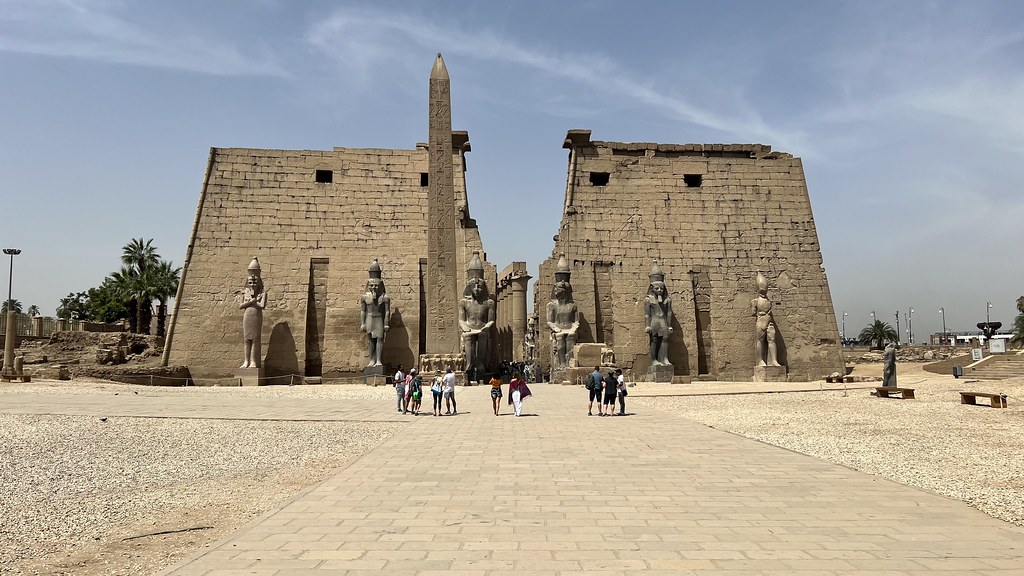
- Luxor Temple: Located in the heart of the city, this site is spectacularly illuminated at night, offering a magical glimpse into Luxor’s grandeur.
- Valley of the Kings: Delve into history with a visit to this royal necropolis, famous for the tomb of Tutankhamun and its intricate wall decorations.
- Hatshepsut’s Mortuary Temple: Marvel at the architectural innovation of this stunning temple, which emerges majestically from the cliffs at Deir el-Bahari.
- Medinet Habu: Known for its impressive reliefs depicting the victories of Ramses III, this less-frequented site offers an intimate glimpse into Luxor’s storied past.
Got More Time?
If you find yourself with a bit more time in Luxor, there are several additional gems worth exploring beyond the essential sights. A trip to the Valley of the Queens offers a quieter, yet equally captivating experience, where you can marvel at the tombs of royal women, including the tomb of Nefertari, renowned for its vibrant artwork.
Adventure seekers should consider a day trip to the nearby Temple of Hathor at Dendera. A short drive from Luxor, this well-preserved temple complex features intricate carvings and vivid ceilings that remain remarkably intact, making it a spectacular complement to Luxor’s attractions.
For a unique perspective of Luxor’s monumental landscape, a hot air balloon ride at sunrise provides a breathtaking aerial view of the West Bank’s temples and the vast stretch of desert. This unforgettable activity combines adventure with awe-inspiring beauty, allowing for an extraordinary start to your day in ancient Egypt. Additionally, a leisurely stroll or bike ride along the Nile’s East Bank reveals a different, serene side of the city, dotted with fertile fields and local life.
Where to Stay
When deciding where to lay your head in Luxor, the choice of neighborhood can greatly enhance your experience. The East Bank, which is home to the city center, offers convenience and accessibility to many of Luxor’s main attractions, such as the Luxor Temple and the bustling souks. Staying here provides the advantages of walking distance access to lively eateries, shops, and the vibrant nightlife that thrives along the Nile’s edge. Visitors will appreciate the mix of modernity and history that characterizes this bustling area.
For a more tranquil stay, the West Bank is the place to be. Known for its relaxed, rural atmosphere, this bank of the Nile invites travelers to unwind and embrace the slower pace of life. It’s an ideal spot for those who wish to explore the Valley of the Kings and Queens or enjoy a serene sunrise over the desert hills. Accommodations here often boast lush gardens and stunning views of the western mountains, offering a peaceful retreat from the city’s energy.
The Karnak district is another excellent option, especially for history enthusiasts wishing to stay close to the famed Karnak Temple Complex. This area provides a unique perspective on the quieter, residential side of Luxor, while still maintaining proximity to the sights and sounds of the city. Staying in Karnak allows guests to enjoy the tranquility of the outskirts while being a short taxi ride from the historical heart of the city.
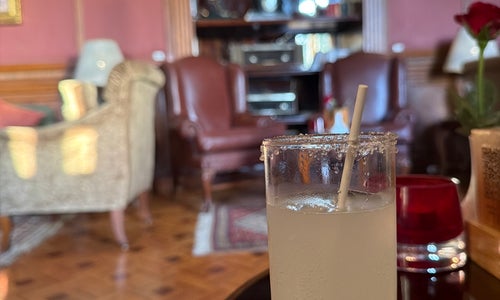
Sofitel Winter Palace Luxor
Corniche El Nile Street, Luxor, Luxor Governorate, 11432

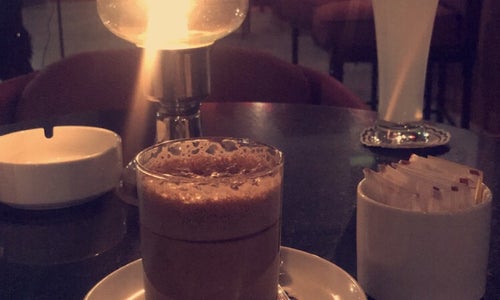
Diwan
New Karnak, Luxor, 83911, Egypt (Inside Hilton Luxor Resort & Spa), الأقصر, الأقصر, 13

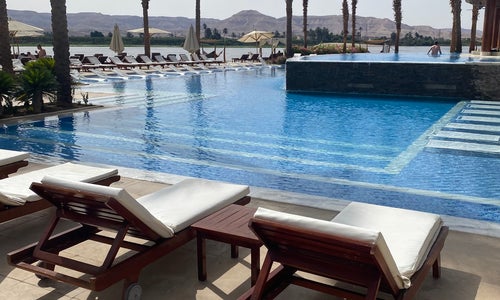
Hilton Luxor Resort & Spa
El Karnak, الأقصر, الأقصر
Getting Around
Exploring Luxor is relatively straightforward, with several transportation options allowing visitors to traverse the city quickly and efficiently. Whether you prefer strolling through the ancient streets or using one of the reliable local transport services, getting around Luxor is generally hassle-free and budget-friendly. Here are the main options available:
- Taxis: Abundant and inexpensive, taxis are a convenient way to navigate between the East and West Banks. Be sure to agree on a fare beforehand or ensure the meter is running.
- Feluccas: These traditional sailboats offer a relaxing way to travel across the Nile, providing a scenic alternative to road transport, especially during sunset. Rates can be negotiated directly with the boat owners.
- Microbuses: These are a cheap local option for quick rides within the city center. While they lack the comfort of taxis, they offer a genuine taste of local life. Fares are typically minimal and should be confirmed with the driver upon boarding.
- Bicycles: With its flat terrain and numerous bicycle rental shops, Luxor’s West Bank is ideal for cycling enthusiasts wishing to explore at their own pace.
What to Eat
Luxor’s culinary scene is as captivating as its historical wonders, offering an enticing blend of flavors that highlight Egypt’s rich cultural tapestry. From comforting street food to traditional dishes served in inviting cafes, the city promises a delightful culinary journey for every palate. Exploring Luxor’s food scene is a must for any visitor eager to experience its authentic local flavors. Whether you’re meandering through bustling markets or dining by the Nile, the city’s diverse offerings are sure to satisfy and surprise.
Here are some of the essential eats every traveler should savor while visiting Luxor:
- Koshari: A hearty dish combining rice, lentils, chickpeas, and pasta, topped with a spicy tomato sauce and crispy onions. This popular Egyptian street food is typically enjoyed at local eateries or bustling food stalls.
- Foul Medames: A classic Egyptian breakfast of slow-cooked fava beans seasoned with garlic, lemon, and cumin. Often served with fresh bread, it’s a staple at traditional cafes and breakfast spots.
- Taameya (Egyptian Falafel): Made from crushed fava beans rather than chickpeas, these deliciously spiced falafel snacks can frequently be found at street stalls and small local restaurants.
- Molokhia: A unique, hearty soup made from finely chopped jute leaves, garlic, and coriander, usually served with rice or bread. Visitors can savor this dish in many family-run restaurants across Luxor.
- Hibiscus Tea (Karkade): A refreshing cold or hot beverage made from dried hibiscus flowers, initially tangy and revitalizing, often enjoyed at cafes or as a takeaway from markets.
Final Reflections of Luxor
As your journey through Luxor draws to a close, you leave with memories echoing the city’s timeless allure and the whispers of its ageless history. The juxtaposition of ancient monuments against the lively pulse of modern Egyptian life creates a distinctive atmosphere, cherished by those who wander its storied paths. Luxor stands as a testament to human achievement, with its architectural marvels and revered relics offering glimpses into a civilization that has shaped our world today.
For those having tasted the enchantment of this incredible city, what lingers is not only the stunning sights but also the genuine warmth of its people. Luxor’s vibrant markets, engaging stories, and breathtaking sunsets cast a spell that few places on earth can replicate. In Luxor, the past and present engage in a delicate dance, leaving visitors with an appreciation for a city that is just as alive now as it has ever been. Whether departing after a day or several, Luxor ensures you leave enriched, carrying a piece of its profound beauty with you, wherever your travels may lead next.