Casablanca: Art Deco, the Corniche and Hassan II
Welcome to Casablanca, the beating heart of Morocco’s modernity combined with a rich heritage. Known for its vibrant urban landscape and fascinating blend of cultures, Casablanca offers something for everyone. It’s a city where the Atlantic’s cool breeze complements the bustling streets, while art deco architecture stands gracefully beside traditional Moroccan elements. The city’s charm lies in its ability to modernize without losing touch with its historical roots.
Casablanca is an ideal destination for a short trip, where you can experience the essence of Morocco in just a couple of days. Compact and relatively easy to navigate, the city is friendly for travelers who prefer a structured itinerary. Whether strolling through its streets draped in modern allure or savoring the delightful local cuisine, Casablanca invites you to explore at a warm, welcoming pace.


Getting There
Reaching Casablanca is straightforward, with Mohammed V International Airport serving as the main gateway for international travelers. The airport connects seamlessly with major global hubs, including European and Middle Eastern cities. For those arriving from nearby regions, frequent flights make for convenient and time-efficient travel.
If you’re traveling domestically or from neighboring countries, the Casablanca Voyageurs train station offers efficient rail services. It’s well-connected to Morocco’s major cities like Marrakesh and Rabat. The high-speed train, Al Boraq, significantly cuts travel time across distance, making train travel a stylish and affordable option.
Best Time to Visit
Casablanca’s mild, Mediterranean climate makes it a year-round destination, but the best times to appreciate its full vibrancy are in spring (April to June) and autumn (September to November). During these periods, the weather is pleasantly warm without being overwhelming, offering the ideal setting for exploring the city’s attractions and enjoying outdoor activities.
If you enjoy cultural events, consider visiting during the annual Jazzablanca Festival usually held in April, celebrating both local and international jazz talent. Spring, with its delightful weather, aligns perfectly with the blooming gardens, while autumns bring fewer crowds, giving you more intimate access to the city’s sights and experiences.
How Long Is Enough?
For visitors with just 24 hours in Casablanca, it’s possible to capture the city’s energy by strolling through its bustling streets, soaking up the intriguing mix of cosmopolitan flair and historical allure. A day is perfect for tasting the local cuisine, perhaps at a traditional Moroccan café, and experiencing the vibrant street life which encapsulates the heartbeat of the city.
With 48 hours, the experience unfolds further, allowing you to dive deeper into the local culture. Spend the additional time getting lost in the art deco architecture, discovering charming local markets, or visiting a peaceful park to relax and observe daily life. The pace is leisurely yet fulfilling, providing a more comprehensive feel for Casablanca’s distinctive rhythm.
For a richer immersion, 3 to 4 days lets you truly explore Casablanca’s multifaceted identity. You’d have time to visit museums, enjoy the burgeoning art scene, and perhaps even explore the surrounding coastal landscapes. This longer stay allows you to delve into the city’s charming complexities, capturing a more profound sense of its character.
Top Sights You Can’t Miss
Casablanca offers an immersive blend of the contemporary and the traditional, with sights that reflect its dynamic character. As Morocco’s largest city, it’s a vibrant economic hub with a rich cultural tapestry waiting to be explored. Here, you’ll find architectural wonders side by side with modern marvels, offering a fascinating insight into the city’s evolution.
- Hassan II Mosque: This architectural masterpiece is one of the largest mosques in the world, showcasing stunning artistry and offering breathtaking views of the Atlantic Ocean.
- Old Medina: A bustling labyrinth of narrow lanes, the Old Medina is a haven for traditional crafts and a vivid snapshot of the local lifestyle.
- Morocco Mall: For a touch of the modern, this is one of Africa’s largest shopping centers, featuring not just retail therapy but an aquarium, IMAX cinema, and more.
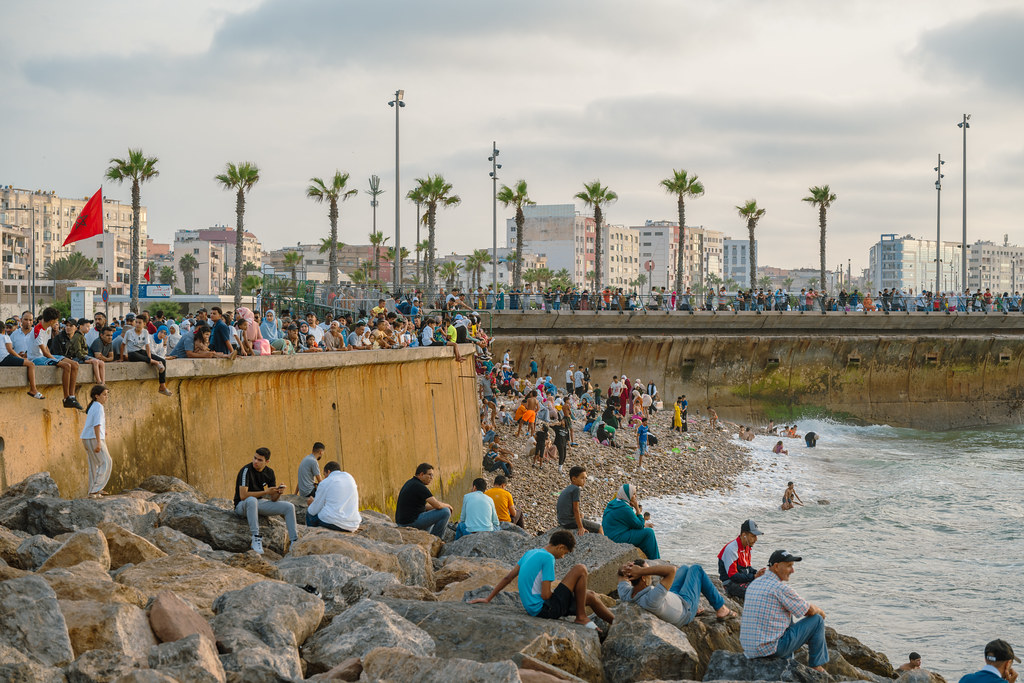
- Corniche Ain Diab: Embrace the local way of life with a leisurely stroll along this coastal promenade, lining up with enticing restaurants and beach clubs.
- Art Deco Area: Reflecting the city’s French colonial heritage, this area is a treasure trove of 1930s design with iconic buildings that tell the story of Casablanca’s stylish past.
Got More Time?
For those fortunate enough to linger a little longer in Casablanca, there are plenty more experiences to enrich your journey. Explore the Royal Palace of Casablanca, a majestic residence that, while not open to the general public, is worth a visit for its stunning exterior and meticulously kept gardens. Wandering the perimeter offers a glimpse into the city’s prestigious royal connections.
A short drive from the city, the ancient city of Marrakesh beckons with its own alluring charm. A day trip provides a different perspective of Morocco, featuring the famous souks, the historic medina, and the enchanting Jardin Majorelle. It’s an exciting opportunity to immerse yourself further in the country’s diverse culture and history.
Consider a peaceful day trip to Mohammedia, a charming coastal town just a short train ride away. Known for its beautiful sandy beaches and relaxed atmosphere, it makes for a perfect escape if you’re seeking to unwind by the sea. Additionally, if you enjoy nature and hiking, the nearby Bouskoura Forest offers serene trails and verdant landscapes, a great retreat from the urban hustle.
Where to Stay
When deciding where to stay in Casablanca, each neighborhood presents its unique charms, catering to different preferences. Maarif is a bustling district known for its modern appeal, combining trendy shops and vibrant cafes. Staying here means you’ll have access to a lively atmosphere with plenty of opportunities for shopping and dining within walking distance. It’s perfect for those looking to experience the pulse of contemporary urban life with a touch of local flair.
For travelers preferring historical ambiance, Habous Quarter—also known as the New Medina—offers a delightful blend of traditional architecture and local artisan stalls. This area encapsulates the essence of Moroccan culture, providing a quieter, more authentic experience compared to the city’s more commercial parts. It’s the ideal location for those who wish to immerse themselves in history and craftsmanship.
For a coastal retreat, consider staying near Ain Diab. This area is known for its scenic views and beachfront relaxation, offering a range of accommodations that let you unwind while overlooking the Atlantic Ocean. Whether it’s enjoying a sunset walk along the corniche or dining at a seaside restaurant, Ain Diab promises a peaceful escape from the city’s busier sections. It’s an excellent choice for families and those looking to balance their city exploration with seaside tranquility.
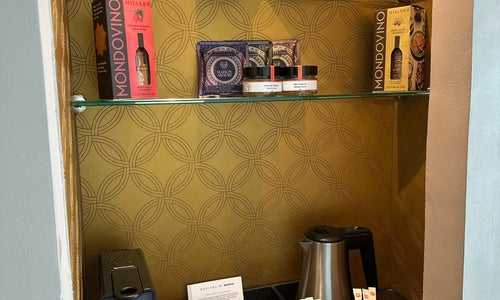
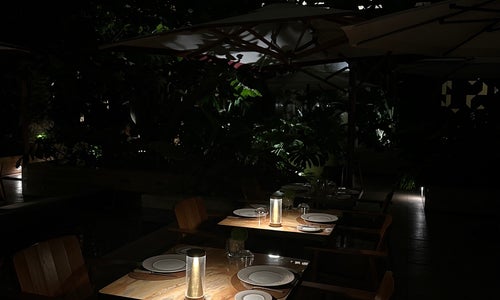
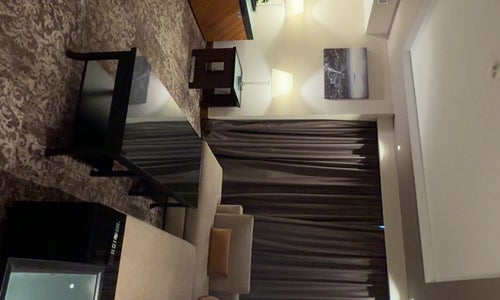
Sofitel Casablanca Tour Blanche
Rue Sidi Belyout, 20000 الدار البيضاء

Getting Around
Casablanca is a sprawling city, yet navigating it is straightforward thanks to its diverse transportation options. Whether you prefer the convenience of public transport or the flexibility of hailing a cab, moving around is easy and caters to various travel preferences. Here are some of the primary methods of getting around:
- Tramway: The city’s tram system runs along two main lines, connecting key districts at reasonable rates. It’s efficient for getting through traffic-heavy areas and a great way to see the city.
- Taxis: Both petit and grand taxis offer convenient transport. Petit taxis are best for short, intra-city trips, while grand taxis cover longer distances. Always agree on the fare or ensure the meter is running to avoid misunderstandings.
- Buses: An affordable option for traveling throughout Casablanca, with an extensive network connecting most corners of the city. It’s ideal for budget-conscious travelers, though can be slower due to traffic.
- Walking: In certain areas like the Old Medina or along the Ain Diab beachfront, walking is both enjoyable and convenient, allowing visitors to soak in the local scenery at a leisurely pace.
What to Eat
Casablanca’s culinary scene is a flavorful mélange of traditional Moroccan cuisine infused with a modern twist reflective of its cosmopolitan vibe. As you traverse the city’s streets, you’ll discover a dizzying array of delicious offerings that are as diverse as the city itself. From aromatic tagine dishes to freshly caught seafood, Casablanca is a paradise for food lovers.
Visitors are encouraged to indulge in the local fare, which ranges from bustling markets filled with tantalizing street food to upscale dining destinations serving refined interpretations of Moroccan classics. Here’s a taste of what to savor in Casablanca:
- Tagine: A quintessential Moroccan dish slow-cooked in earthenware pots, combining meats or vegetables with spices and dried fruits. It’s best enjoyed at traditional eateries or local markets.
- Couscous: Considered a national dish, crafted from steamed semolina grains and commonly served with meats and vegetables. It’s perfect at both casual restaurants and home-style dining spots.
- Harira Soup: A rich, hearty soup comprising tomatoes, lentils, chickpeas, and spices, often savored during Ramadan but available throughout the year in local cafes.
- Pastilla: A savory pastry layered with pigeon or chicken, almonds, and cinnamon, offering a delightful contrast of sweet and salty, found in many of the city’s authentic dining establishments.
- Mint Tea: The traditional Moroccan refreshment, often enjoyed at the end of a meal. It’s widely available at tea houses and cafes across the city.
- Seafood: Fresh from the Atlantic, diverse seafood options are available, from grilled fish to elaborate platters, especially popular at beachfront restaurants in Ain Diab.
Casablanca’s Lasting Impressions
Casablanca, often seen as the gateway to Morocco, encapsulates a multifaceted urban essence that leaves an undeniable mark on its visitors. It’s a city where modern skyscrapers rise alongside traditional Moroccan architecture, creating a dynamic skyline that mirrors its cultural diversity. The fusion of the old and the new gives Casablanca a unique rhythm—one of elegance and complexity, fast-paced yet deeply rooted in tradition.
Visitors often leave with vivid memories of their experiences, from the vibrant buzz of local markets to the tranquil allure of the Corniche Ain Diab. The warmth of its people and the city’s welcoming atmosphere create an inviting environment for all who wander here. For many, it’s not just the sights or the flavors they remember, but the spirited harmony of daily life in this bustling metropolis. Casablanca defies simplicity, and that’s precisely what makes a short stay here resonate long after the journey ends.