Yogyakarta: Java’s Soul, Between Two Ancient Temples
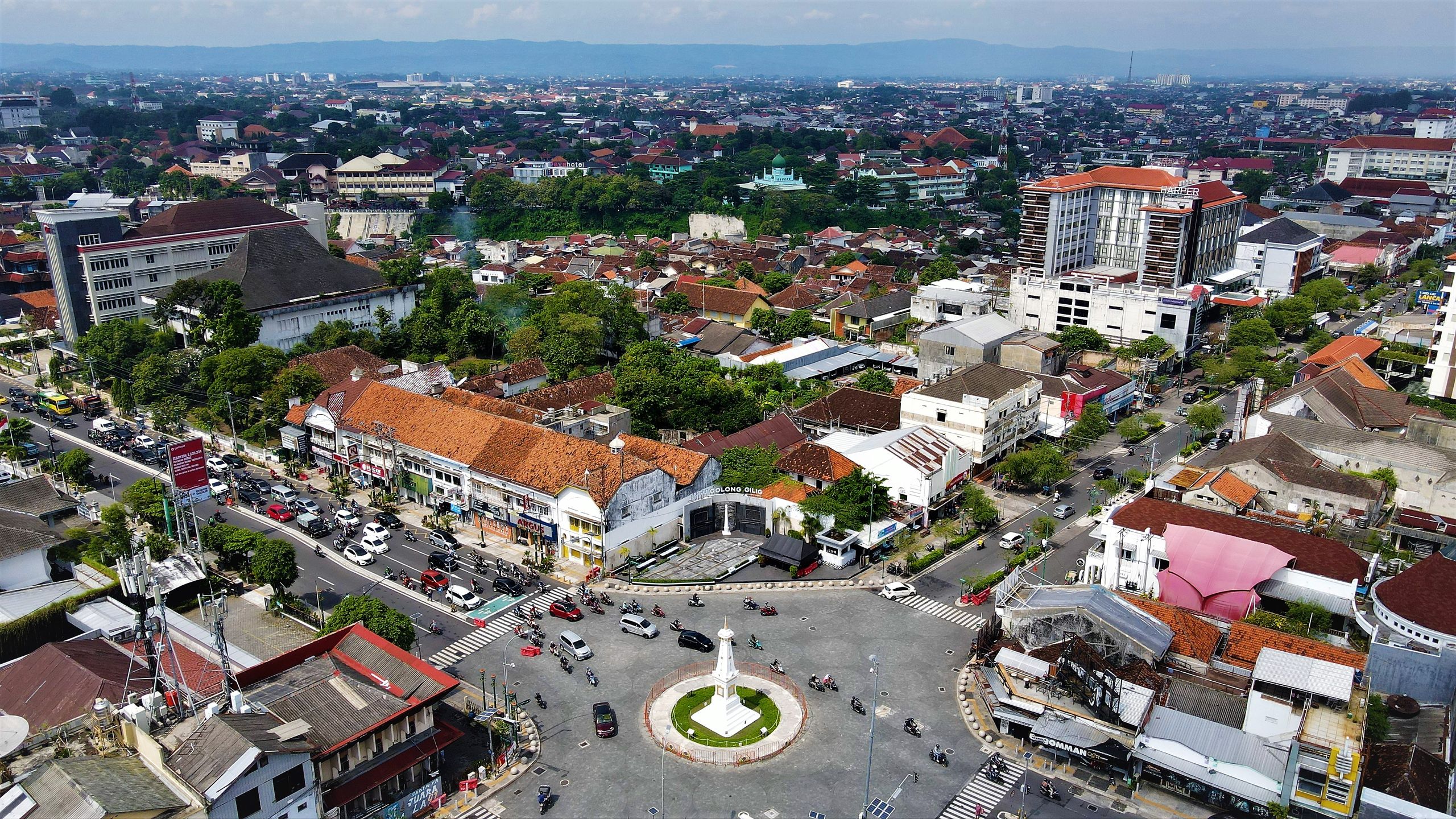
Yogyakarta, often dubbed as the heart of Indonesia’s rich cultural tapestry, is a city that gracefully blends tradition and vibrancy. Known for its warm hospitality and dynamic arts scene, it’s a destination where history breathes life through every alley and market corner. The city is a melting pot of experiences, where the age-old traditions coexist with modern artistic expressions, enticing travelers with its charismatic allure.
Whether you have just a weekend or a few days, Yogyakarta is incredibly navigable and ideal for a short trip. Its compact layout means you can explore most of the major highlights on foot, immersing yourself in the friendly local atmosphere without the hustle of a big city. Anticipate a slow-paced experience, where the genuine warmth of the people makes every interaction special, leaving you with cherished memories and perhaps a bit of artistic inspiration of your own.


Getting There
To reach Yogyakarta from abroad or major nearby hubs, flying is often the most convenient option. The city’s primary airport is Yogyakarta International Airport (YIA), located around 45 kilometers from the city center. Several international airlines provide connecting routes via Singapore, Kuala Lumpur, and other Southeast Asian hubs. For travelers within Indonesia, domestic flights are frequent and affordable from cities like Jakarta and Bali.
If you prefer overland travel, trains are a comfortable and scenic alternative. Tugu Yogyakarta Railway Station is the main station in the heart of the city, offering services from Jakarta, Bandung, and Surabaya. The trip from Jakarta typically takes about 8 hours. For those considering travel on a budget, buses from major Indonesian cities provide low-cost routes, although travel times are considerably longer.
Best Time to Visit
The best time to visit Yogyakarta is during the dry season, which spans from May to September. During these months, the weather is comfortably warm and largely free from rain, making it ideal for exploring the city’s vibrant attractions and bustling markets. This period is also considered peak tourism season, so expect more visitors and book accommodations in advance.
If you prefer a quieter experience, consider planning your trip in the shoulder months of April or October, when the weather is still pleasant, but the tourist crowds are more manageable. Visiting in June coincides with the Yogyakarta Gamelan Festival, where you can experience traditional Indonesian music and performances. This blend of favorable weather and cultural exposure makes these months especially appealing for travelers.
How Long Is Enough?
For travelers with just 24 hours in Yogyakarta, there’s a delightful taste of the city’s essence that awaits. In a single day, you can wander through the bustling markets, soak in the artistic vibes of Malioboro Street, and visit the iconic Sultan’s Palace to get a sense of Yogyakarta’s historical soul. The city is walkable, allowing you to experience its rhythm and friendliness with ease, though an overnight stay ensures you capture its early morning and evening magic.
If you extend your visit to 48 hours, you can dive deeper into Yogyakarta’s cultural tapestry. This extra day allows for a tranquil escape to nearby temples, such as the revered Borobudur or Prambanan, where you can unravel stories etched in stone. The pace is relaxed, giving you time to savor local delicacies and perhaps catch a traditional Wayang Kulit shadow puppet performance, a beautiful showcase of Javanese artistry.
For those who can linger a bit longer, a three to five-day stay reveals a more profound connection to Yogyakarta’s soul. You have time to explore its natural beauty, from the lava fields of Mount Merapi to the enchanting beaches of nearby Gunung Kidul, providing a well-rounded experience of both culture and nature. This longer duration ensures a more immersive experience, allowing you to truly absorb the richness of Javanese art, hospitality, and historical significance that define this unique city.
Top Sights You Can’t Miss
Yogyakarta is a city rich in history and culture, often considered the cultural heart of Java. Its strategic position as a historical crossroad has left it teeming with remarkable monuments and architectural wonders, each narrating a segment of Indonesia’s storied past. Here, you’ll find a seamless blend of ancient temples, regal palaces, and artisans perfecting their craft, making it a haven for travelers eager to soak in Javan traditional culture.
- Prambanan Temple: A stunning Hindu temple complex boasting intricate stone carvings, it’s a UNESCO World Heritage site not to be missed.
- Borobudur Temple: The world’s largest Buddhist temple, known for its magnificent sunrise views and ancient reliefs.
- Sultan’s Palace (Kraton): Discover Javanese royal heritage in this majestic residence of the Yogyakarta Sultanate.
- Malioboro Street: The vibrant heart of shopping and street food, perfect for experiencing local life and souvenirs.
- Taman Sari Water Castle: An architectural gem that served as a royal garden and bathing complex in times gone by.
- Pantai Parangtritis: Enjoy breathtaking sunset views on this famous beach, steeped in local myths and legends.
Got More Time?
If you’ve crossed off the major attractions from your list and find yourself with extra time in Yogyakarta, there are numerous lesser-known gems waiting to be explored. Venture into the lush landscapes surrounding the city with a trek up Mount Merapi. While it is Indonesia’s most active volcano, local guided tours are available, offering a chance to marvel at the breathtaking views from its slopes and understand its volcanic history.
For a tranquil escape, wander through the serene grounds of Ullen Sentalu Museum. Nestled in the cooler highlands of Kaliurang, it offers insightful exhibitions on Javanese culture and heritage, housed within stunning architecture that itself is a work of art. This museum provides a quiet space to reflect and immerse yourself in the lesser-known facets of life on the island.
Don’t miss a trip to the enchanting Sewu Temple, part of the larger Prambanan compound. This beautiful Buddhist temple complex offers a peaceful retreat with fewer crowds, perfect for appreciating its historical significance and architectural beauty. And if adventure calls, consider a day trip to the caves of Jomblang, where sunlight pierces the darkness to illuminate a subterranean forest—a breathtaking natural spectacle that’s worth the journey.
Where to Stay
When deciding where to stay in Yogyakarta, consider starting with Malioboro Street for its vibrant atmosphere. As the bustling heart of the city, this area is ideal for those who want to be at the center of the action. Staying here means you’re just steps away from lively markets, street food vendors, and diverse shopping opportunities. It’s the perfect base for first-time visitors wanting a mix of cultural immersion and accessibility.
For those seeking a blend of tranquility and culture, Prawirotaman is an excellent choice. Often referred to as the ‘backpacker district’, this neighborhood offers a laid-back vibe with an array of boutique guesthouses and cafes. It’s a cultural hub that’s slightly removed from the hustle, allowing you to unwind while absorbing the creative arts scene, including live music events and artisan shops.
If you prefer a more luxurious experience, look towards Sosrowijayan. Known for its a mix of upscale and mid-range accommodations, this area provides a comfortable setting with easy access to the city’s historical sites, including the Kraton and Taman Sari. Sosrowijayan’s strategic location means you’re never too far from both traditional and contemporary experiences, making it perfect for those who appreciate convenience and a touch of modernity in their travels.
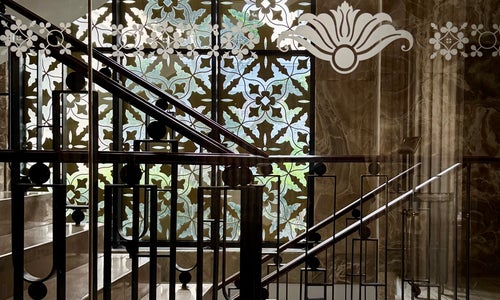
Hotel Tentrem
Jl. AM Sangaji No. 72A (Jalan Petinggen), Yogyakarta, DI Yogyakarta 55233

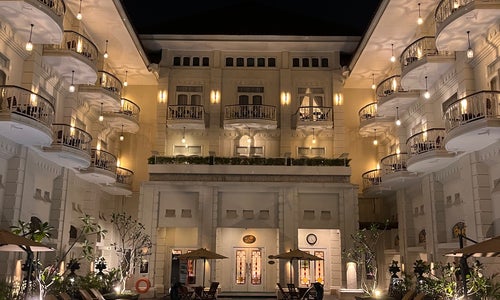
The Phoenix Hotel Yogyakarta
Jl Jenderal Sudirman 9, Yogyakarta, DI Yogyakarta 55233
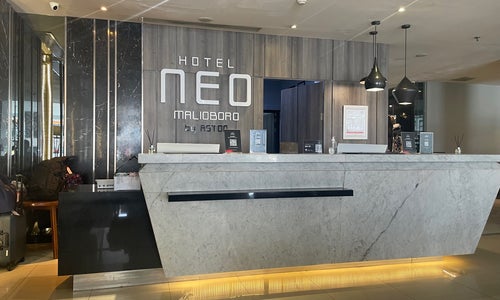
Hotel Neo Malioboro
Jl. Pasar Kembang No. 21 (Malioboro Street), Yogyakarta, DI Yogyakarta 55271

Getting Around
Yogyakarta offers a variety of transport options for visitors to navigate the city efficiently. Whether you’re planning to explore the vibrant urban core or venture out to the cultural landmarks, understanding the local transport landscape can enhance your experience and ease your trip.
- TransJogja Bus: A reliable and affordable public transport option with fixed routes. It’s useful for reaching popular tourist spots and provides a local commuter experience.
- Taxis and Ride-hailing Services: Conventional taxis are widely available, though apps like Gojek and Grab offer more convenience and often better rates, making them ideal for short point-to-point travel.
- Becak (Pedicab): A traditional mode of transport perfect for short distances and providing a leisurely way to enjoy the city. They’re commonly found around tourist areas and are best for unique local experiences.
- Ojek (Motorbike Taxi): Quick and nimble, ojeks are great for beating traffic and taking short trips effortlessly. Available through ride-hailing apps, they are cost-effective and plentiful.
- Bicycle Rentals: For the environmentally conscious and active travelers, renting a bicycle is a charming way to explore the city at a relaxed pace, especially in less traffic-heavy areas.
What to Eat
Yogyakarta’s culinary scene is an adventure in flavors, offering a delightful fusion of traditional Javanese spices and local ingredients that cater to every palate. Known for its affordable and diverse range of street food, the city invites you to savor mouthwatering dishes that reflect its rich cultural tapestry. From bustling night markets to cozy eateries, there’s always a tempting aroma in the air that invites exploration.
Eating in Yogyakarta isn’t just about flavor—it’s a cultural experience, best enjoyed in the lively atmosphere of the city’s streets and markets. Local specialties provide a window into Javanese hospitality and tradition, bringing together food lovers from around the world.
- Gudeg: A sweet and savory stew made from young jackfruit, Yogyakarta’s signature dish is traditionally enjoyed with rice and chicken at establishments like Gudeg Yu Djum.
- Nasi Kucing: Translated as ‘cat rice’, this small rice dish accompanied by various toppings is a popular street snack and is commonly found at angkringan (roadside food stalls).
- Bakpia: Sweet pastries filled with mung bean paste, these treats are often brought back as souvenirs and are best purchased fresh from Pathok area shops.
- Sate Klathak: Unique to Yogyakarta, these skewered goat meat satays are grilled over an open flame, renowned for their simple seasoning and tender texture, frequently served at local warungs like Sate Klathak Pak Pong.
- Es Dawet: A refreshing beverage made from rice-flour jelly, coconut milk, and palm sugar syrup, it’s a delightful cooler on a hot day sold at markets and street stalls.
Echoes of Yogyakarta
Yogyakarta leaves an unmistakable imprint on those who venture through its vibrant streets and sacred shrines. It is a city where every corner whispers tales of heritage, and every meal tells a story of tradition. Whether it’s the bustling energy of Malioboro or the soothing calm of an ancient temple at dawn, Yogyakarta captures a captivating blend of the past and present, urging visitors to delve deeper into its cultural mosaic.
The rhythm of life in Yogyakarta is both invigorating and peaceful, offering a harmonious balance for any traveler. Visitors often remember it as a place where history, art, and community converge into a rich tapestry of experiences. Even after a short stay, its harmonious blend of tradition and modernity, along with the genuine warmth of its people, ensures that Yogyakarta remains not just a destination, but a memorable journey etched in time.